
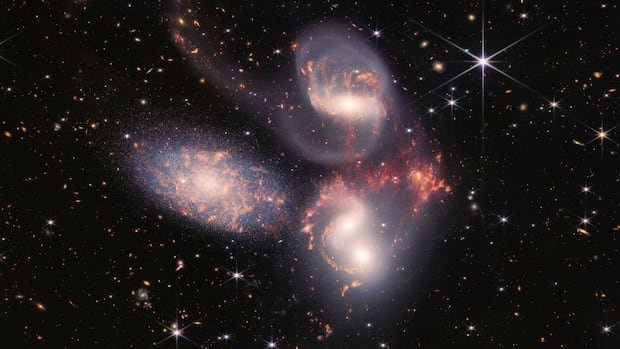

With the advancement of technology, opportunities to explore scientific mysteries both in space and on Earth have become more sophisticated. Here are the top 10 inventions, natural phenomena, and significant events of 2025, listed in no particular order.
Vera C. Rubin Telescope’s ‘First Light’ Images
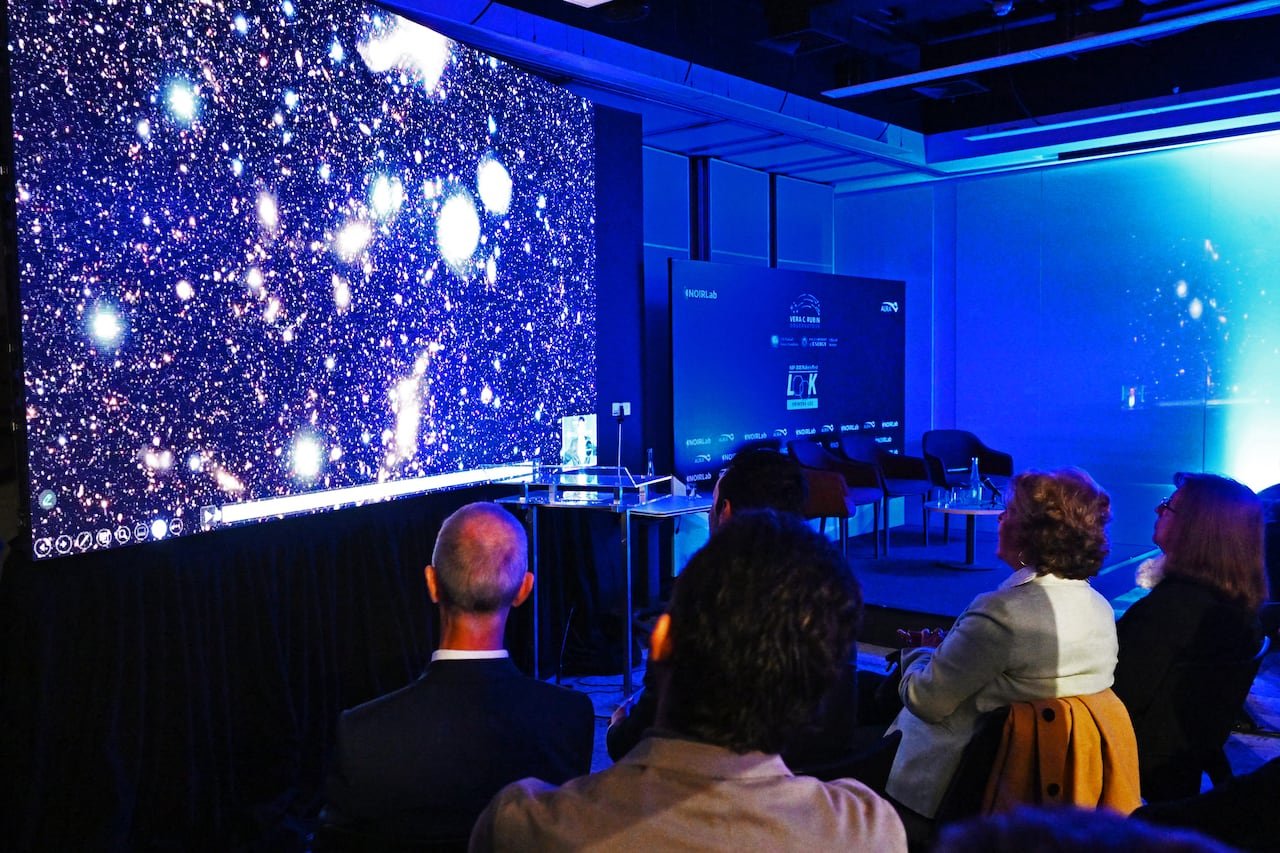
The Vera C. Rubin Observatory, situated in Chile, unveiled its initial images this year. Although not the largest telescope globally, it boasts the world’s largest digital camera with 3.2 gigapixels. This observatory can capture high-resolution images of the entire southern sky every night for a decade. The images will be compiled to create a time-lapse portrayal of the universe, showcasing various celestial objects like asteroids, planets, galaxies, and dark matter.
Asteroid Bennu Samples
In September 2023, a capsule landed on Earth containing samples collected from an asteroid by the OSIRIS-REx spacecraft. Researchers have now disclosed their analysis results, revealing the presence of crucial components like sugars, amino acids, and nucleobases in the dark granular material. While this doesn’t confirm life on the asteroid, it suggests that the fundamental building blocks for life on Earth may have been prevalent in the early solar system and potentially transported to Earth from space.
Marc Garneau, Canada’s First Astronaut, Passes Away
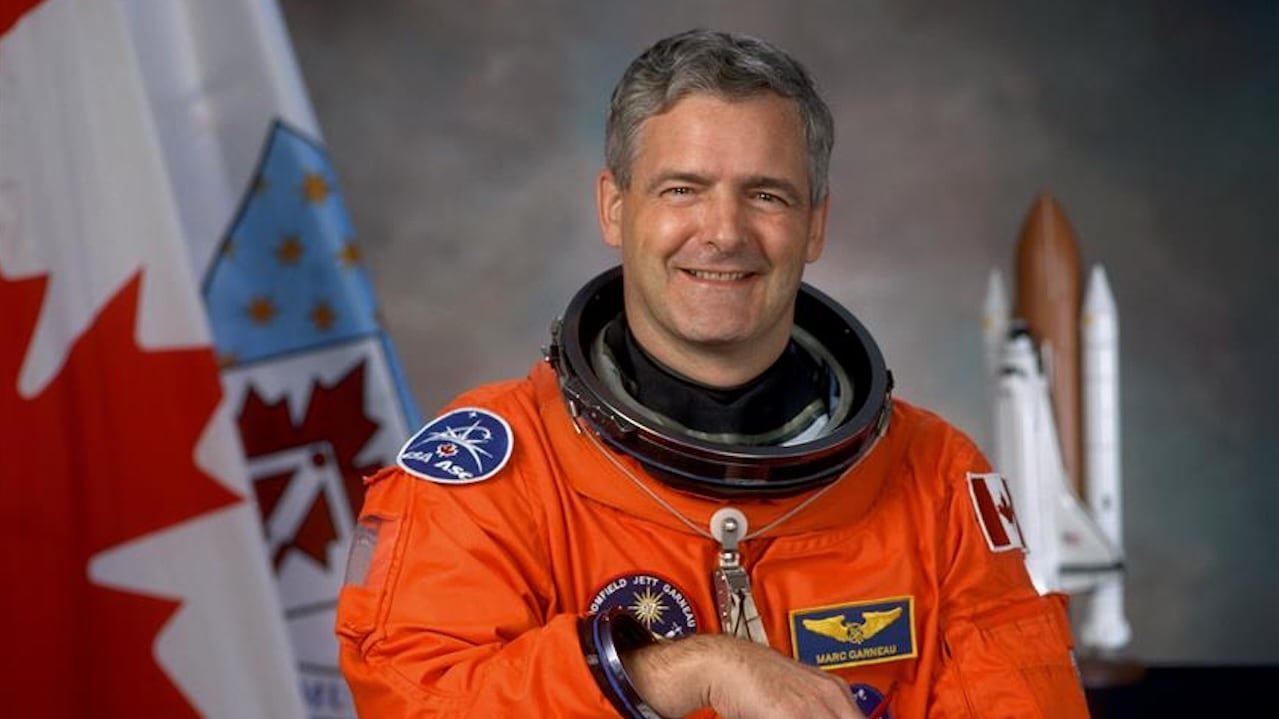
On June 4, 2025, Marc Garneau, the first Canadian in space, died at the age of 76. Garneau, a former naval commander, was part of the first group of Canadian astronauts in 1983 and went on to have a successful career in space exploration and politics.
Comet 3I/ATLAS
Comet 3I/ATLAS, the fastest comet ever observed, zipped through our solar system at a remarkable speed of 209,000 km/hr, originating from another star system. This icy comet, discovered in July 2025, provided insights into the composition of distant star systems.
Ocean Acidification Reaches Tipping Point
Ocean acidification, a result of absorbing excess carbon dioxide, hit a critical juncture in 2025, endangering coral reefs globally. The escalating CO2 levels in the atmosphere are accelerating this process, posing a severe threat to marine ecosystems.

Geoengineering Deemed Impractical
Geoengineering proposals to address climate change were criticized by polar scientists in a recent study, highlighting the risks associated with such interventions.
First Human Mission Over the Poles: FRAM2
In a groundbreaking achievement, the FRAM2 mission marked the first human orbital journey over the Earth’s poles, offering new perspectives on these regions from space.
James Webb Space Telescope’s Continued Discoveries
The James Webb Space Telescope, operating in deep space for three