
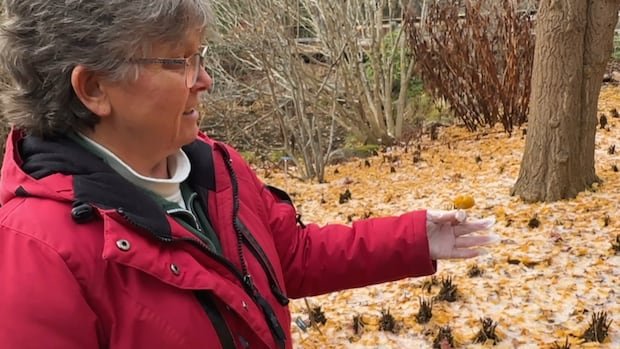

In Annapolis Royal Historic Gardens in Nova Scotia, a surprising discovery was made about their ginkgo tree after 40 years. Initially believed to be a male tree, it turned out to be female, as revealed by the unexpected appearance of fruit-like seeds emitting a pungent odor. The distinctive smell, likened to dog feces or rancid butter, caught the attention of staff and visitors this year.
Trish Fry, the garden’s manager, described the unpleasant scent and the shock of realizing their tree’s true identity. Despite the tree being mistakenly labeled as male for decades, the horticulturalist team confirmed its female nature. It was also highlighted that ginkgo trees can take many years to reach full maturity, as explained by Fry.
The female ginkgo tree’s aesthetic appeal, with its vibrant leaves transitioning from green to bright yellow in autumn, was emphasized by Ashlea Viola, the gardens’ horticulturist. Notably, ginkgos are renowned for their resilience and unique status as a living fossil species that survived the dinosaur era.
Despite the unexpected odor issue caused by the fallen seeds, there are no plans to remove the female tree due to its historical significance and rarity. Fry mentioned that while the seeds do not drop during peak tourism season, visitors are advised to expect the distinctive smell if they visit afterward. The garden’s staff humorously suggested wearing nose plugs when exploring the area during that time.