
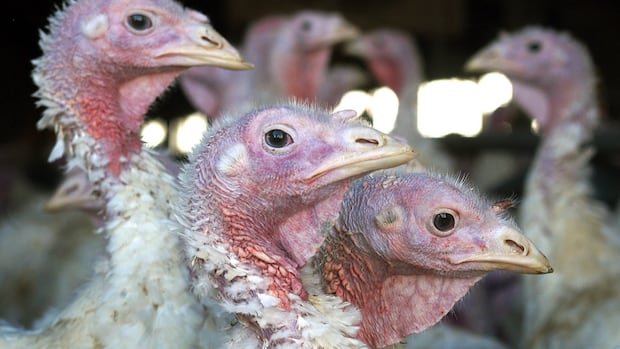

Several London-area meat vendors report that the supply of holiday turkeys remains steady, despite an ongoing outbreak of avian influenza in Ontario that has resulted in the culling of tens of thousands of birds.
The Canadian Food Inspection Agency (CFIA) identified highly pathogenic avian influenza (HPAI) at an undisclosed farm in North Perth, affecting approximately 56,000 turkeys.
Last month, five additional outbreaks were confirmed in Strathroy-Caradoc, impacting nearly 100,000 turkeys, as per CFIA data. All six outbreaks are currently active.
The CFIA announced on Wednesday that the affected birds will be humanely depopulated. However, the agency has not disclosed the names or specific locations of the affected farms.
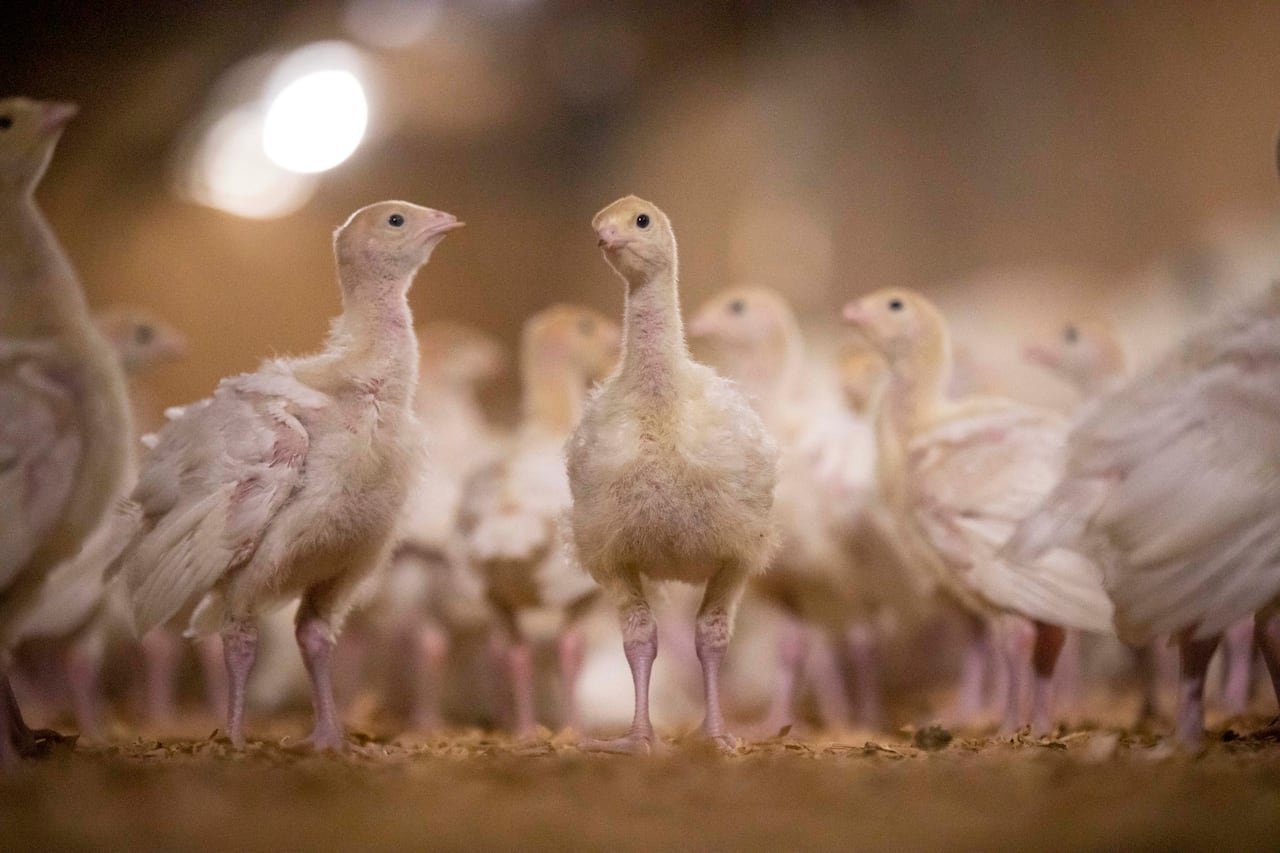
Hayter’s Farm in Dashwood, one of the leading turkey suppliers in Ontario, stated that while they are not directly affected, one of their breeding suppliers in Strathroy is impacted, which could pose challenges in the foreseeable future.
Sean Maguire, CEO of Hayter’s, expressed concerns about potential ripple effects over the next few months due to the situation.
Maguire highlighted the different types of poultry farms, some specializing in breeding and egg production, while others like Hayter’s focus on raising turkeys for consumption.
According to Maguire, any turkeys destined for Christmas tables have already been at the Hayter’s barn before the avian flu outbreak, ensuring their health.
Nevertheless, Maguire pointed out that the recent turkey culls at the farm will create a temporary slowdown in the industry until sufficient breeding birds resume egg production.
“The meat supply remains unaffected; it’s the replacement birds that are crucial. We anticipate a disruption in 12 to 16 weeks due to the loss of stock,” he explained.
Gobble it up
CFIA states that there is no evidence indicating that avian influenza can be transmitted through the consumption of fully cooked poultry or eggs.
The predominant strain of avian flu currently circulating is H5N1, known for its high contagion rate within domestic poultry flocks.
According to CFIA, avian flu can impact various species of birds, including those used for food, pets, and in the wild, as well as mammals. In rare instances, it can lead to human illness when individuals have close contact with infected birds or heavily contaminated environments, CFIA noted.
The owner of Pete Charlton’s Quality Meats in St. Thomas mentioned receiving inquiries from customers