
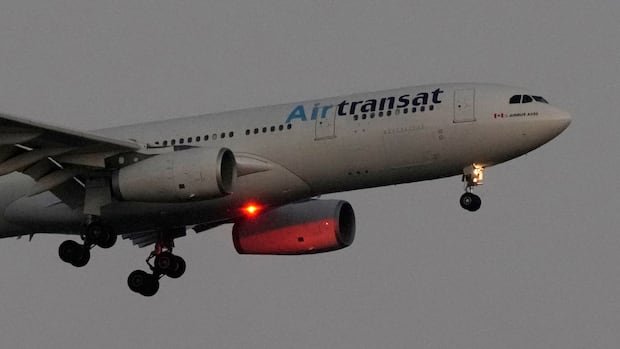

Air Transat passengers can now breathe easy as a potential strike was averted through a last-minute tentative agreement with the pilot union. The parent company, Transat A.T. Inc., and the Air Line Pilots Association reached common ground just in time to prevent disruptions during the upcoming busy holiday travel period. Following the cancellation of 18 flights as a precautionary measure affecting numerous travelers, the airline is now focused on resuming operations swiftly.
Details of the agreement remain undisclosed as the approximately 750 Air Transat pilots will vote on the deal in the days ahead. Annick Guerard, the CEO of Transat, expressed relief that they could avoid a work stoppage, acknowledging the uncertainty faced by affected customers. The airline’s priority is now to restore services promptly and uphold their service standards.
The Air Line Pilots Association had been seeking a new agreement to enhance wages, job security, and overall quality of life for pilots, aligning with recent advancements in the industry. Captain Bradley Small, chair of the Air Transat ALPA master executive council, highlighted the necessity for an updated contract that meets current professional standards.
Simultaneously, the airline faces challenges beyond labor negotiations, including managing substantial debt, achieving profitability, and resisting shareholder demands for a board shakeup. Pierre Karl Péladeau, a major shareholder, has called for strategic changes at Transat, adding to the company’s current pressures.
Despite the recent disruptions in flight schedules, passengers like Adrian Ruso expressed relief at returning home without delays. The potential strike could have significantly impacted the airline’s operations during a crucial period for winter travel. With an active fleet serving thousands of passengers weekly, Transat managed to avert a potentially disruptive labor action just in time.
The situation highlights the delicate balance airlines must maintain, especially during peak travel seasons, to ensure minimal disruptions for passengers and operational efficiency.