

Environment and Climate Change Canada has unveiled its annual compilation of the most significant weather events across Canada. The list, which has been published since 1996, showcases extreme weather occurrences impacting Canadians. The 2025 edition, released without a specific ranking, covers various events from coast to coast to coast.
Jennifer Smith, a national warning preparedness meteorologist at Environment and Climate Change Canada, described the past year as diverse and eventful. Despite the range of weather phenomena, the enduring resilience of Canadians remains a constant, according to Smith’s remarks during a recent media briefing.
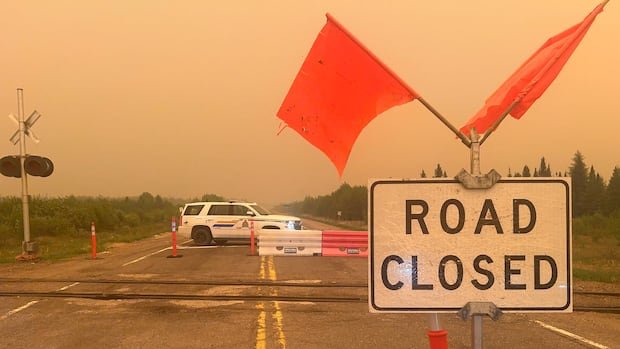
One notable inclusion in this year’s top 10 stories is the devastating wildfire season, the second-worst on record for Canada. In 2025, over 8.9 million hectares were consumed by wildfires, following the tragic 2023 season that ravaged 16.1 million hectares. The impact was profound, forcing more than 75,000 individuals to evacuate their homes, with a significant portion hailing from First Nation communities.
The provinces most affected were Saskatchewan and Manitoba, where extensive wildfires not only spread but also merged, enveloping vast areas in smoke. The situation was exacerbated by a widespread drought that affected 85% of the country by September, with approximately 76% of agricultural land grappling with abnormally dry conditions.
In Western Canada, particularly in British Columbia, the prolonged drought worsened existing challenges. Ontario also faced drought conditions during the summer, leading to low water levels in the St. Lawrence River and disruptions in agricultural activities like apple-picking and pumpkin harvesting.
As summer seemed to wind down, Western Canada experienced a late-season heatwave in August and early September. British Columbia witnessed a surge in temperatures, with over 200 daily maximum temperature records broken within a short timeframe. Notably, Ashcroft set a new September temperature record for both the province and the country at 40.8°C.
Additionally, Tuktoyaktuk in the Northwest Territories encountered severe flooding at the end of August due to a potent low-pressure system. The coastal community endured strong winds and heavy rainfall, resulting in significant storm surges and unprecedented wave heights.
These are just a few highlights from the top 10 weather stories of 2025. To explore more events, including severe summer storms on the Prairies, snowstorms in central and eastern Canada, and an ice storm in Ontario, visit Environment and Climate Change Canada’s website.