
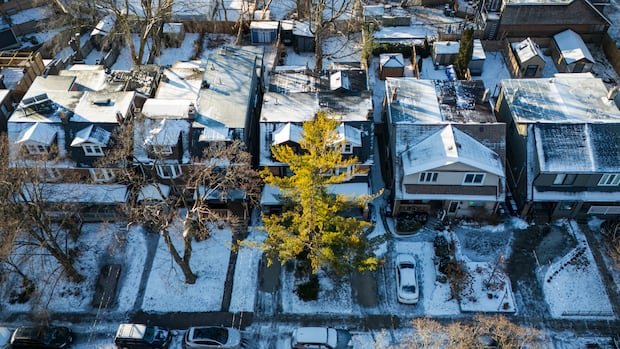

National home sales experienced a 10.7% decline in November compared to the same period last year, indicating a stabilization in the real estate market as 2026 approaches. The Canadian Real Estate Association reported that 33,895 properties were sold nationwide last month, with a slight 0.6% decrease from October when adjusted for seasonal variations. The average sale price for homes in November was $682,219, marking a 2% drop from the previous year.
According to Shaun Cathcart, a senior economist at CREA, some sellers are reducing prices to close deals before the end of 2025 post a mid-year surge. The Bank of Canada’s recent decision to maintain the key rate at 2.25% signals stability, prompting fixed-rate borrowers to engage, with expectations of increased activity in the upcoming year.
The central bank’s move to hold the key rate steady follows a series of cuts since June 2024, aiming to balance inflation and economic growth. Despite a 0.4% decrease in CREA’s home price index between October and November and a 3.7% drop year-over-year, some industry experts remain cautious about a quick market rebound.
Clay Jarvis from NerdWallet Canada expressed skepticism, attributing the sales decline to broader economic factors beyond interest rates. Concerns about inflation and depleted savings may hinder buyer confidence in the housing market’s growth potential for 2026. Real estate broker Marco Pedri echoed this sentiment, anticipating a slow recovery driven by uncertainties in the job market and overall economic conditions.
TD economist Rishi Sondhi highlighted the impact of oversupply on home prices in British Columbia and Ontario, while anticipating stronger price growth in regions with tighter market conditions. Despite a slight decrease in new listings (1.6% month-over-month), the total properties listed for sale in Canada by the end of November stood at 173,000, reflecting an 8.5% increase from the previous year but remaining 2.5% below the long-term average for that period.