

After U.S. President Donald Trump’s recent announcement heralding a “historic dawn of a new Middle East,” the ceasefire pact faced challenges as Israel and Hamas traded accusations of breaching the delicate agreement. World leaders hurried to strategize the next steps to uphold the deal. Phase 1 of the peace initiative aimed to halt hostilities, boost aid, and facilitate the return of all Israeli captives in Gaza in exchange for Palestinians held in Israel. However, by Tuesday, tensions arose on these fronts. In Gaza, violent clashes erupted as Hamas asserted its control, including carrying out executions of alleged collaborators with Israel.
Renowned Israeli negotiator Gershon Baskin expressed concern over the situation, emphasizing the urgency to sustain the agreement and prevent its collapse. Israel threatened to reduce aid after Hamas returned only a fraction of the deceased hostages’ bodies. Forensic tests later revealed discrepancies in the returned remains. The intricate task of locating bodies was compounded by the extensive destruction in Gaza, where a significant portion of buildings lay in ruins.
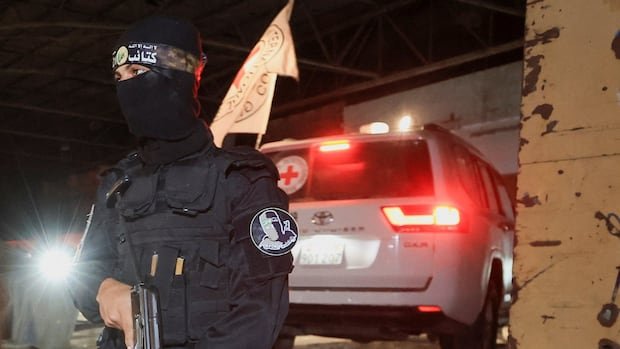
The Israeli government decided to limit aid, citing Hamas’ violations. Ela Haimi, whose husband was killed defending a kibbutz during a past attack, urged pressure on Hamas for the return of all bodies. As the ceasefire process unfolded, challenges loomed over the withdrawal of Israeli forces from Gaza and Hamas relinquishing its arms. With Hamas still asserting dominance in parts of Gaza, masked gunmen patrolled streets, and public executions were reported, fueling uncertainties.
Under the agreement, an international stabilization force would be deployed to Gaza. Nimrod Novik, an adviser involved in diplomatic talks, highlighted the need for caution amid interim uncertainties to prevent escalations. The presence of U.S. troops monitoring the ceasefire provided a glimmer of hope amid the tense situation. The rebuilding of Gaza, devastated by conflict, necessitated significant international funding commitments.
Questions lingered over the governance of Gaza post-reconstruction. Despite financial pledges for Gaza’s revival, concerns arose over the governance structure. Trump’s proposed “board of peace” for governance faced skepticism, with critics questioning the exclusion of Palestinian entities in the negotiation process. The path forward appeared challenging, with complexities surrounding the involvement of key stakeholders in shaping Gaza’s future.