
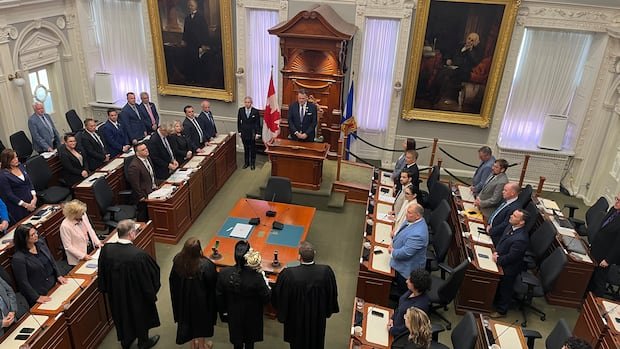

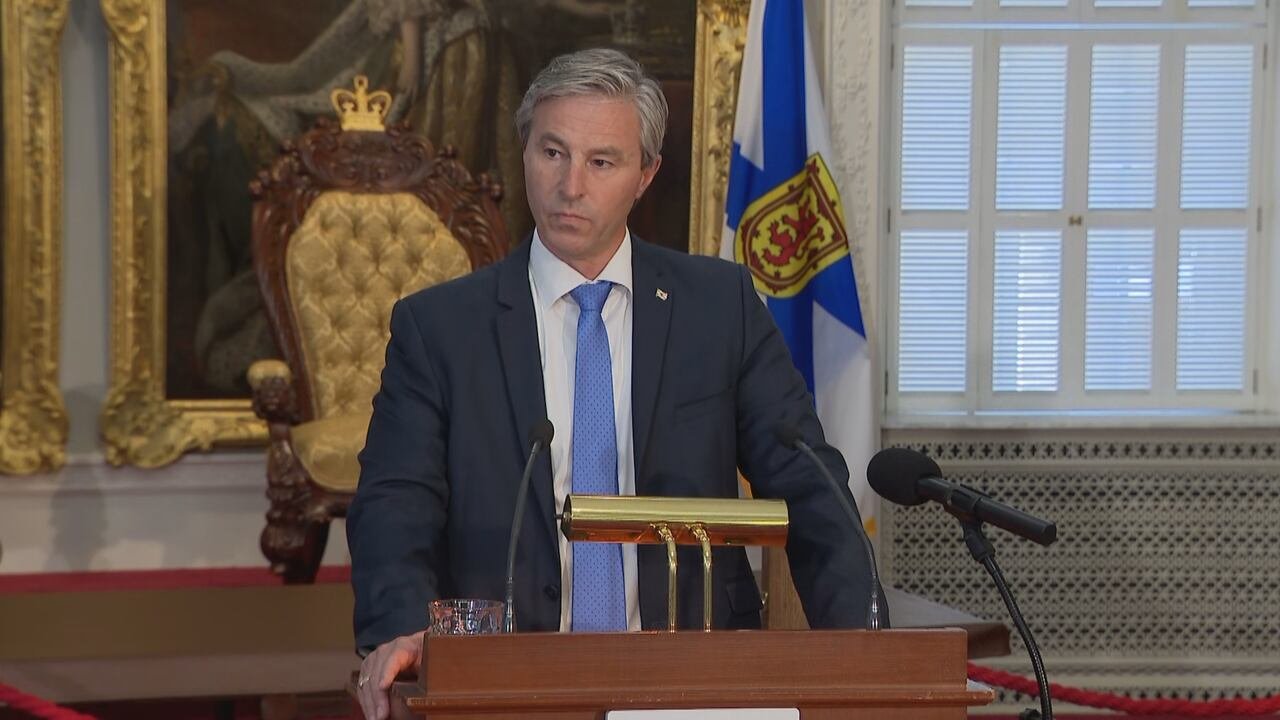
During the recent fall sitting at Province House in Nova Scotia, the provincial government, led by Premier Tim Houston, completed its legislative agenda swiftly and efficiently. The Opposition leaders expressed concerns about the government’s approach, criticizing the speed at which bills were passed and the limited time for scrutiny.
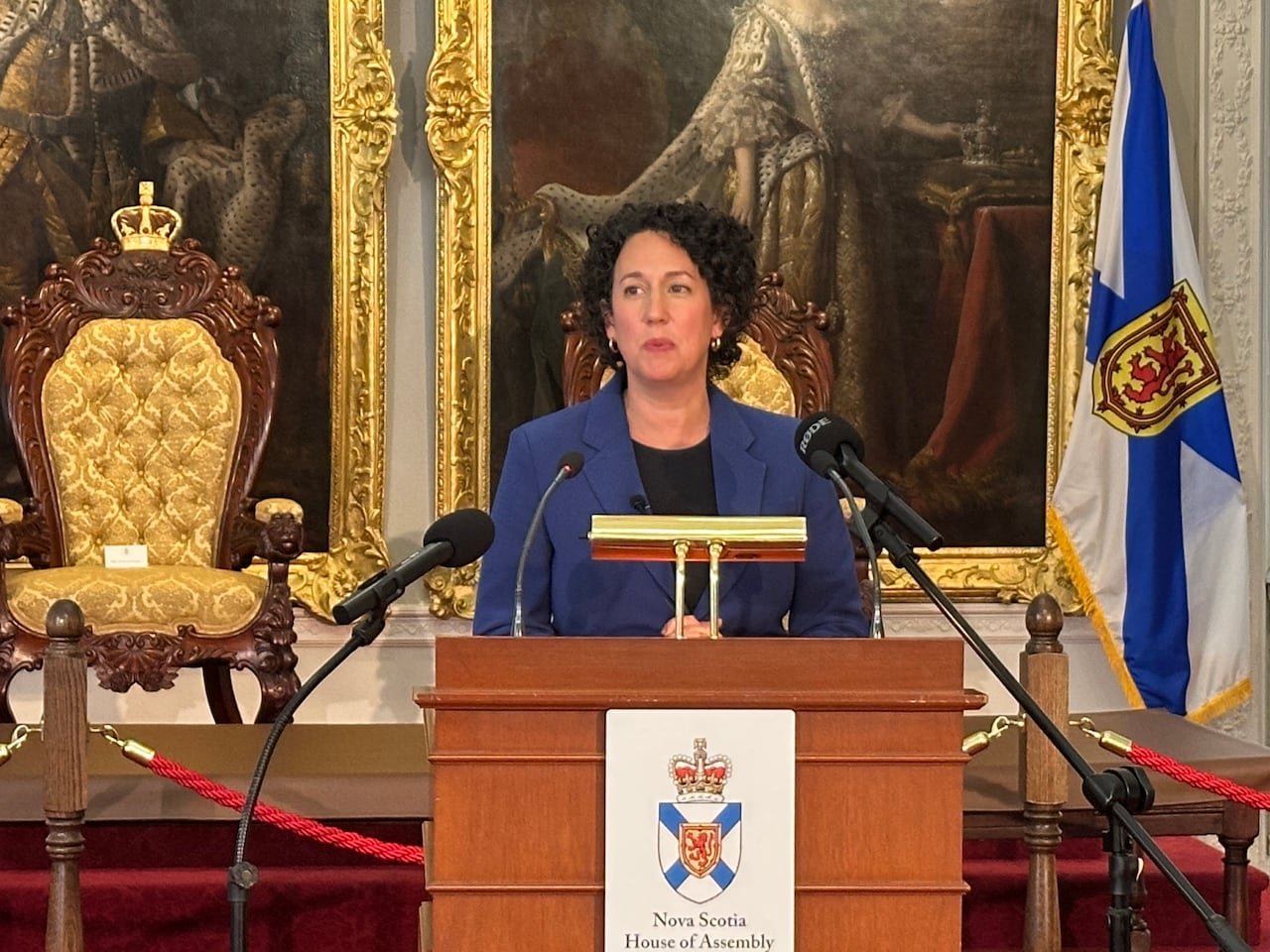
The Premier defended the government’s actions, stating that their rapid pace was necessary for productivity and effectiveness. However, critics, including Claudia Chender of the NDP and Derek Mombourquette of the Liberals, raised objections, accusing the government of avoiding accountability and transparency.
One notable feature of this sitting was the increased use of omnibus bills by the Progressive Conservatives, combining multiple legislative changes into a single piece of legislation. This approach, although expedient, drew criticism for potentially obscuring the details and implications of each amendment.
Among the key legislative changes made during the sitting was the update to the Freedom of Information and Protection of Privacy Act. The government’s decision to bundle various amendments into one bill raised concerns about transparency and the ability to thoroughly debate each modification.
The most debated bill, known as the Protecting Nova Scotians Act, encompassed significant changes across different sectors, from privacy regulations to land use policies. Critics highlighted the challenges in understanding the interconnected nature of these amendments, particularly concerning environmental and Indigenous rights issues.
Despite the government’s emphasis on efficiency, concerns were raised about the lack of in-depth discussions and explanations provided by ministers during the debate. The trend of combining diverse legislative changes into omnibus bills raised questions about the government’s commitment to transparency and public engagement.
While the Premier’s strategy of swift legislative sessions may offer political advantages in the short term, it also raises questions about public access to information and understanding of government actions. The Opposition and media play a crucial role in holding the government accountable, but their ability to scrutinize legislation effectively may be compromised in rushed proceedings.
As the fall sitting concluded, the Nova Scotia government faces challenges such as a growing deficit, proposed utility rate hikes, and strained relations with Indigenous communities. The balance between expediency in legislative processes and ensuring public awareness and involvement remains a critical issue for the government moving forward.