

U.S. representatives engaged in discussions with Israeli Prime Minister Benjamin Netanyahu on Monday with the goal of bringing Israel and Hamas back on track with the Gaza ceasefire plan. The recent surge of violence over the weekend posed a threat to the one-week-old truce, prompting recommitment from both Israel and Hamas to the ceasefire proposed by U.S. President Donald Trump.
Despite efforts to uphold the ceasefire, the ongoing incidents of violence have raised doubts about the ability of the U.S. to maintain pressure on the conflicting parties and sustain the momentum towards resolving the conflict. Challenges such as Hamas disarmament, additional Israeli troop withdrawals, and the future governance of Gaza are still unresolved, hindering the efforts to secure a lasting peace after years of conflict in the region.
President Trump emphasized the importance of maintaining the ceasefire and expressed his administration’s commitment to ensuring its continuity. He acknowledged the violations by Hamas but clarified that he had not instructed Israel to take immediate action against them, attributing the internal challenges within Hamas as a factor influencing their compliance with the agreement.
The U.S. envoys, including Steve Witkoff and Jared Kushner, initiated discussions aimed at reinforcing the current truce and initiating talks on the subsequent, more challenging phases of the 20-step plan. Additionally, Vice-President JD Vance’s upcoming visit to Israel underscores the U.S.’s high-level diplomatic efforts in the region to solidify the ceasefire, which is a pivotal foreign policy objective for President Trump.
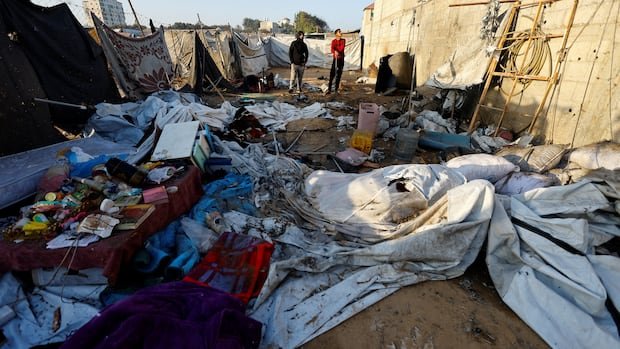
Gaza’s Health Ministry reported a total of 80 fatalities and 303 injuries since the ceasefire deal came into effect on October 11. The situation remains fragile, with the recent airstrikes causing distress among Gaza residents who were caught off guard by the attacks that violated the ceasefire terms.
Efforts to retrieve hostages’ remains continue, with the Red Cross receiving one body from Hamas and working on the potential return of additional bodies held in Gaza. The challenge lies in the recovery process due to the destruction in the enclave, complicating the negotiations between Israel and Hamas.
While aid convoys are still permitted to enter Gaza, Israel has closed the Rafah border crossing with Egypt for the movement of people. Talks in Cairo between Hamas officials and Egyptian representatives are set to address the implementation of the ceasefire, focusing on establishing a technocratic body to govern Gaza without Hamas involvement, a proposition that Israel has resisted in the past.
The uncertainties surrounding the truce have instilled fear among Gaza residents, with concerns over potential escalations in violence lingering despite the diplomatic efforts to maintain peace in the region.