
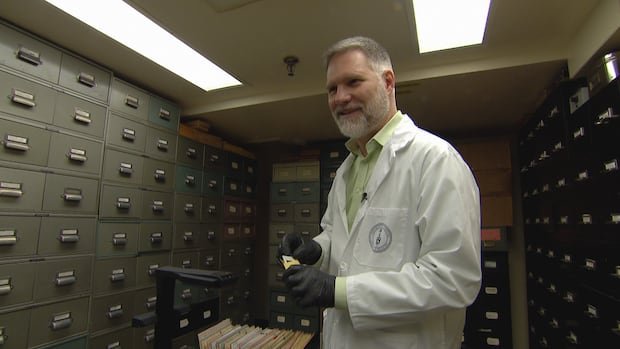

A distinctive assortment of tiny fungi crucial for Canadian medical and biodiversity studies has been safeguarded from being relocated abroad. The UAMH Centre for Global Microfungal Biodiversity has secured a $1 million donation from the Weston Family Foundation, ensuring its retention in Canada for domestic purposes.
The Weston Family Foundation highlighted the potential of this biobank to drive medical breakthroughs, public health readiness, and innovation for future generations. Researchers like Ayush Kumar from the University of Manitoba, who have utilized the specimens for antibiotic exploration, expressed excitement about preserving this valuable resource in Canada. The foundation’s commitment to investing in innovation and education played a pivotal role in this initiative.
James Scott, the director of the fungal biodiversity center at the University of Toronto, expressed astonishment upon receiving news of the donation. The funding is expected to sustain the center for approximately five years, allowing for the development of a long-term operational strategy. The University of Toronto has pledged its support to safeguard and expand the facility following this development.
The biobank, renowned as the largest collection of biomedically significant fungi in the western hemisphere, houses nearly 12,000 specimens from 3,200 species worldwide. These specimens are utilized by Canadian researchers and companies in studying fungi-related diseases, exploring new drugs, and preserving endangered species, especially in the face of climate change challenges.
Fungi are recognized as potential sources of novel antibiotics due to their unique biochemical capabilities. The availability of these samples to researchers, such as Mary Berbee from the University of British Columbia, ensures the reproducibility and advancement of scientific discoveries. Berbee emphasized the critical role of maintaining such culture collections for scientific progress.
The biobank faced funding challenges in 2024, prompting concerns about its continuity. With the assistance of the Weston Family Foundation, a solution was devised to secure its operations and expand its accessibility to a wider research community. Efforts are underway to enhance online specimen cataloging and user accessibility to sustain the center’s operations and potentially generate additional revenue through user fees.