
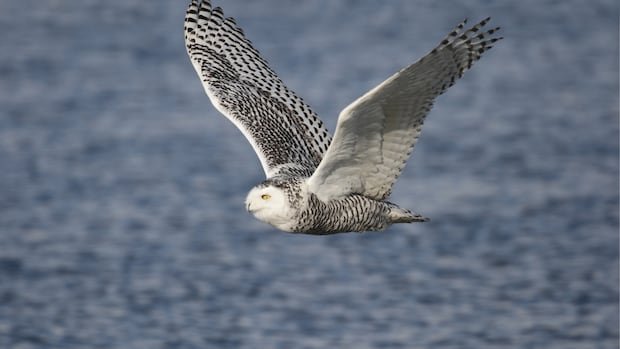

The population of snowy owls soaring over the Arctic landscape is declining significantly due to various threats. Despite this, the process of granting legal protection to these iconic birds is moving slowly.
Habitat loss and challenges in finding prey are endangering the North’s distinctive birds. Additionally, collisions with vehicles, buildings, and power poles during migration are contributing to the decrease in their numbers.
With a population of approximately 14,000, the snowy owl is dwindling by more than 30% per decade. The steep decline in their numbers led to their classification as threatened, as stated by Syd Cannings, a retired biologist who served on the Committee on the Status of Endangered Wildlife in Canada.
The assessment of a declining population does not automatically trigger legal protection. Extensive consultations among researchers, federal, Indigenous, and local governments are conducted to determine conservation efforts after a species is deemed threatened, a process that can last for two years or more.
The delay in legal protection stems from the extensive data analysis and consultations that take place before a species, such as the snowy owl, is formally listed under federal law. This cautious approach by the government aims to consider all factors and impacts before making a decision that affects various stakeholders.
The snowy owl, noted as an indicator of environmental health, faces threats primarily from the changing habitat caused by global warming. Shrinking nesting grounds and the loss of productive lemming hunting areas are major concerns affecting the owl’s survival.
As the federal government initiates consultations on the conservation of the snowy owl, the species status is being carefully evaluated under the Species at Risk Act. The ongoing efforts aim to address the various threats faced by the bird and safeguard its future in the changing Arctic environment.
Cameron Eckert, director of the Yukon Bird Club, emphasized the importance of conserving species like the snowy owl, highlighting the challenges posed by climate change and its impact on biodiversity. The cultural significance and charismatic appeal of the snowy owl resonate with people, symbolizing a unique connection to the far North.