
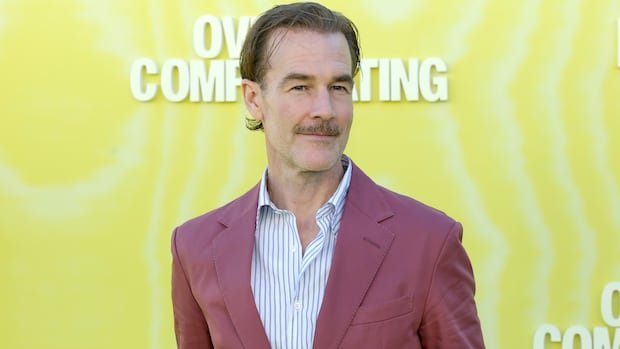

When the famous actor James Van Der Beek, known for “Dawson’s Creek,” passed away from colorectal cancer at the age of 48 recently, it triggered an immediate and overwhelming wave of sorrow, sentiment, and solidarity.
However, alongside the expressions of grief, eyebrows were raised regarding a GoFundMe campaign established for Van Der Beek’s family. The fundraiser swiftly amassed over $2.7 million and is still growing. The purpose was to assist his wife and six children in covering essential living costs, bills, educational expenses for the children, maintaining their standard of living, and avoiding the risk of losing their home.
The response from both the public and fans was swift. Culture critic Pablo The Don remarked, “I’ve seen a lot of people talking about, like, ‘Why? What is the purpose? Like, did you guys not have any money saved up?’ ‘I’ve known who you are for years via TV and movies; where is this sudden need for money coming from?'”
Van Der Beek, who passed away on Feb. 11, is not an isolated case. There seems to be a shift in societal norms where celebrities and their close associates are seeking financial support from everyday fans through grassroots fundraising efforts, primarily directed towards their own families or friends rather than larger charitable causes.
Celebrities like Eric Dane from “Grey’s Anatomy,” who disclosed an ALS diagnosis and passed away on Feb. 19, had a GoFundMe page initially removed but later verified and reinstated to support his daughters and their future requirements, raising over $400,000. Various GiveSendGo campaigns created to assist Erika Kirk, the widow of right-wing commentator Charlie Kirk, collectively raised millions, with unclear origins. Additionally, actress Mandy Moore faced backlash for soliciting donations to aid her brother-in-law and his wife after they lost their home in the L.A. wildfires.
The trend of celebrities resorting to crowdfunding for personal needs has sparked debates and controversies, with notable personalities like Alyssa Milano, Brittany Mahomes, Megan Fox, and Kylie Jenner facing public criticism for soliciting donations for their acquaintances and family members. The negative reaction is exacerbated when individuals with substantial resources and support systems turn to crowdfunding for personal assistance.
The increasing normalization of online fundraising practices has made it more acceptable for high-profile figures to seek financial aid publicly. However, this trend underscores a broader disparity in the crowdfunding landscape, where well-known personalities garner significantly more attention and financial contributions compared to ordinary individuals facing similar challenges.
Celebrities leveraging crowdfunding as a safety net instead of traditional insurance mechanisms has raised concerns about the inequality perpetuated by this practice. While the compassion for those in need is acknowledged, the focus on individual fundraising efforts detracts from addressing systemic issues that could benefit from increased attention and resources.
In the context of medical fundraisers, the financial vulnerabilities faced even by affluent actors highlight systemic flaws, particularly in the U.S. Despite the scrutiny and skepticism surrounding celebrity-led crowdfunding campaigns, publicly acknowledging the need for assistance requires courage, especially for individuals in the public eye.
While criticisms of wealthy actors resorting to crowdfunding persist, the assumption that all actors are financially privileged is often misguided. Many actors do not inherit vast fortunes and face financial challenges like any other individual. The primary goal for bereaved families organizing crowdfunding campaigns is often survival and coping with loss rather than addressing broader societal issues.
It is essential to consider the impact of public judgment on grieving families and loved ones left behind when criticizing or supporting crowdfunding initiatives. Empathy and sensitivity towards those navigating loss and financial difficulties should guide discussions around the evolving landscape of celebrity-led fundraising efforts.