

Less than a week following the sudden announcement by U.S. President Donald Trump of a planned summit with Russian President Vladimir Putin in Budapest, Hungary, the White House shifted gears by imposing sanctions on two Russian oil companies. This move was part of Trump’s evolving stance on the conflict in Ukraine, which started in February 2022 when Russia invaded the country.
Trump, who had received praise for his role in brokering a Gaza ceasefire, seemed eager to continue his peacemaking efforts in Ukraine. However, Russia’s reluctance to compromise on its Ukrainian ambitions led to renewed discussions on increasing pressure on Russia both militarily and economically.
Despite Russia’s show of willingness to negotiate, tensions remained high as Washington-led talks reached a stalemate, with both sides continuing military actions. Ukraine’s recent strikes on Russian energy facilities, reportedly aided by U.S. intelligence, have exacerbated the situation, leading to gas shortages and price hikes in various regions.
The proposed Budapest summit was called off amid Russia’s rejection of ceasefire calls and insistence on control over Ukraine’s Donbas region. Trump, expressing reluctance to meet Putin under unproductive circumstances, opted to focus on sanctions against Russian oil giants supporting the Kremlin’s war efforts.
Meanwhile, Ukraine intensified its attacks on Russian energy infrastructure, utilizing domestically produced drones. This strategy has significantly impacted Russia’s refining capacity, resulting in surging gasoline prices domestically. The ongoing conflict has prompted concerns about Russia’s ability to manage the economic fallout from sustained strikes on its energy facilities.
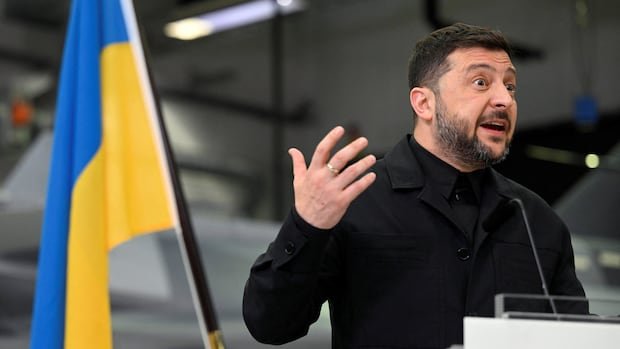
In response to the escalating situation, Ukrainian President Zelenskyy sought support from European allies, securing a potential deal with Sweden for the purchase of Gripen fighter jets. With diplomatic efforts at a standstill, the conflict shows no signs of abating, underscoring the need for coordinated international pressure on Russia to de-escalate the crisis.
The situation remains fluid, with both sides engaging in military posturing and economic warfare as the conflict in Ukraine continues to unfold.