
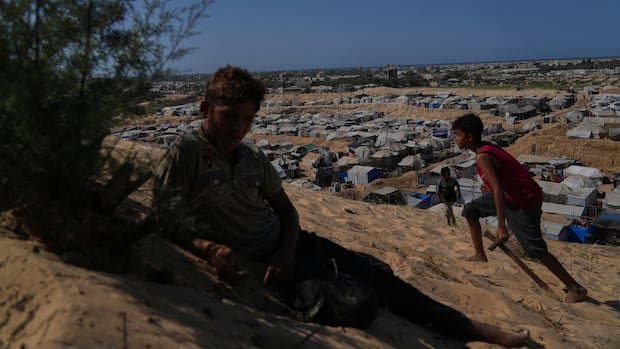

The International Court of Justice (ICJ) ruled on Wednesday that Israel must permit the United Nations Relief and Works Agency for Palestine Refugees (UNRWA) to provide humanitarian aid in Gaza. This decision came after the UN General Assembly sought the court’s advice regarding Israel’s actions in banning UNRWA from operating in the region.
According to the ICJ President, Yuji Iwasawa, Israel is obligated to facilitate relief efforts by the United Nations and its entities, including UNRWA. Israel has refuted claims of breaching international law and criticized the court’s proceedings as biased, although it submitted a detailed 38-page document for consideration.
Experts highlight the significance of advisory opinions like this, stressing potential wider implications for the UN and its global missions. Israel’s rejection of the ICJ’s findings was reiterated by its Foreign Affairs Ministry via social media, emphasizing its commitment to upholding international law.
The Israeli ambassador to the UN, Danny Danon, condemned the advisory opinion as “shameful,” asserting that blaming Israel for non-cooperation with UN bodies is unjust. He criticized UNRWA for allegedly supporting Hamas, stating that such organizations have become hubs for terrorist activities.
The ongoing discussions at the ICJ precede the current fragile US-brokered Gaza ceasefire agreement, which aims to end the prolonged conflict in the region. Recent incidents, including deadly strikes by Israeli forces following alleged Hamas attacks, have tested the stability of the ceasefire arrangement.
In response to the ceasefire, Hamas confirmed Israel’s compliance with aid deliveries as per the agreement, with plans underway to increase humanitarian shipments into Gaza. The court hearings in April saw Palestinian representatives accusing Israel of grave humanitarian violations and obstructing aid efforts in Gaza.
The ban on UNRWA by Israel, enforced earlier this year, has sparked controversy, with Prime Minister Benjamin Netanyahu and allies criticizing the organization for alleged ties to Hamas. Canada temporarily halted funding for UNRWA in response to these accusations, later resuming support after receiving UN investigation updates.
Recent aid shortages and food crises in Gaza have drawn international attention, with conflicting narratives from Israel and humanitarian organizations. The role of UNRWA in providing essential relief to millions in the region has been underscored amid escalating tensions and humanitarian challenges.
Advisory opinions issued by the ICJ hold symbolic importance, although they lack binding enforcement mechanisms. Past rulings by the court on Israeli policies, including the West Bank separation barrier and presence in occupied territories, have sparked controversy and diplomatic tensions.
The ongoing legal battles and geopolitical disputes in the Middle East continue to shape international responses and calls for accountability. The conflict in Gaza remains a focal point for global humanitarian efforts and diplomatic interventions, with hopes for lasting peace and stability in the region.