
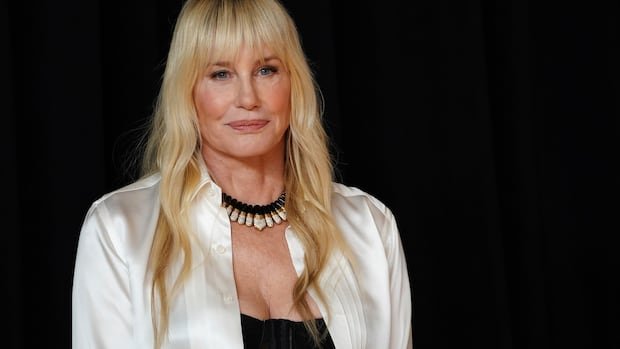

Daryl Hannah strongly criticized the new television series centered on John F. Kennedy Jr. and Carolyn Bessette, labeling the depiction of her character in the FX and Hulu production as inaccurate, harmful, and misogynistic. In a guest essay published in the New York Times, Hannah questioned the portrayal of her involvement in the romantic relationship between Kennedy and Bessette, who tragically perished in a plane crash in 1999 alongside Bessette’s sister.
The series, titled “Love Story: John F. Kennedy Jr. & Carolyn Bessette,” romanticizes the couple’s love story but has drawn backlash for its portrayal of Hannah, who dated Kennedy before his marriage to Bessette. Hannah, 65, disputed the representation of her character in the show, which she claimed deviates significantly from the reality of her life and her relationship with Kennedy.
Hannah vehemently denied the actions attributed to her character in the series, including drug use, pressuring individuals into marriage, and disrespectful behavior. She expressed dismay at having to defend herself against the inaccuracies presented in the television program.
In response to Hannah’s criticisms, the FX network refrained from immediate comment on the matter. The show has faced additional backlash from members of the Kennedy family, with Jack Schlossberg, Kennedy’s nephew and a congressional candidate in New York, joining in the condemnation of the series and its producers.
Hannah highlighted the personal nature of her objections, pointing out that the producers had intentionally portrayed her as an impediment to the primary love story, resulting in a negative and unrealistic depiction of her character. She cited statements from producer Nina Jacobson, indicating that the narrative positioning of her character was deliberately crafted to create conflict within the storyline.
Despite the producers’ claims of portraying characters with compassion and complexity, Hannah felt that her character was unjustly vilified in the series. She underscored her current endeavors in environmental advocacy, documentary filmmaking, and animal-assisted therapy for seniors with cognitive impairments as a testament to her commitment to meaningful work and integrity.
Reflecting on advice from Jacqueline Kennedy Onassis regarding dealing with media scrutiny, Hannah expressed concern over the lasting impact of falsehoods in the digital age. She also raised the issue of misogyny in the portrayal of women as rivals or obstacles in popular culture narratives, questioning the need to undermine one woman to elevate another.