
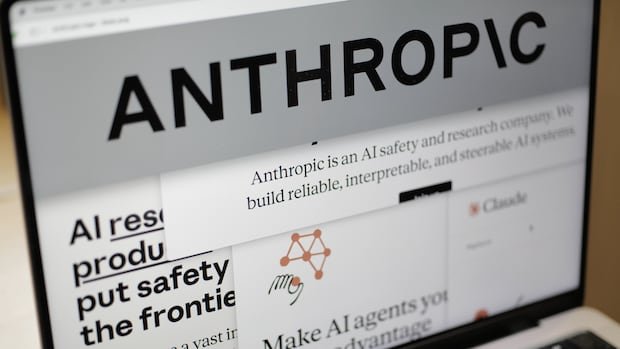

Anthropic, an AI firm known for its safety-focused approach, seems to be adjusting its safety policies to remain competitive. The company recently revised its responsible-scaling guidelines, initially aimed at preventing the emergence of potentially hazardous AI technologies. While the updated rules still demand a demonstration that catastrophic risks are under control during AI development, they now allow progression unless the company no longer holds a significant lead over rivals.
Anthropic justified this change by pointing out a shift in the U.S. towards prioritizing AI competitiveness and economic growth over safety concerns. The company emphasized the sluggish government action on AI safety and the lack of significant focus on safety discussions at the federal level.
This alteration in safety guidelines by Anthropic coincides with the Pentagon’s warning to terminate contracts unless its technology can be utilized for all legal military applications. However, Anthropic asserts that the modification in guidelines is not linked to this military pressure.
Founded in 2021 by former OpenAI employees alarmed by safety prioritization, Anthropic has maintained a safety-first stance. CEO Dario Amodei has expressed concerns about the potential risks of AI and reiterated safety as the company’s top priority.
The company emphasized its commitment to transparent and accountable safety practices, promising to regularly publish reports and safety objectives. Despite its safety-oriented image, Heidy Khlaaf from the AI Now Institute criticized Anthropic for focusing more on hypothetical catastrophic events rather than addressing potential harm from current AI applications like chatbot errors.
Khlaaf suggested that Anthropic is shedding its safety facade to align with market demands, indicating a strategic move to showcase openness for business opportunities. Amid the competitive landscape among top AI firms such as Anthropic, OpenAI, and Google, the pressure to prioritize safety amidst U.S. government focus on AI dominance poses challenges for companies like Anthropic.
The absence of comprehensive AI regulations in both the U.S. and Canada further complicates the safety landscape for AI companies. Canada risks falling behind in AI development or losing companies to the U.S. due to regulatory uncertainties.
The recent safety guideline update by Anthropic is distinct from its Pentagon contract dispute. The company’s deal with the Department of Defense, allowing military tech usage within set guidelines, faced ultimatums from the Pentagon regarding broader technology use, including potential military applications.
While Anthropic stood firm against enabling its technology for certain uses like autonomous weapons and mass surveillance, Pentagon officials clarified that the dispute did not involve these specific applications. Anthropic clarified that the Pentagon’s concerns were related to usage policies, not scaling policies.
As the deadline approached, Anthropic reiterated its stance against the administration’s demands, highlighting its commitment to ethical technology deployment. Should the contract be canceled, Anthropic expressed readiness to transition to another provider while emphasizing its preference to uphold its safeguards.
This move by Anthropic showcases a delicate balance between technological advancement, ethical considerations, and market competitiveness in the evolving landscape of AI development.