
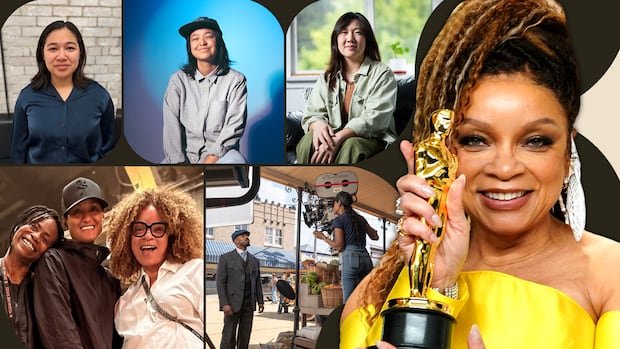

After participating in around 50 feature films and dedicating 40 years to the industry, Ruth E. Carter, the Oscar-winning costume designer, reflected on the significant changes she has witnessed. In a recent interview with CBC News, Carter emphasized that the transformations were not spontaneous but rather a result of deliberately breaking barriers in Hollywood. She highlighted the importance of prioritizing authenticity, representation, and innovative storytelling, which led her to collaborate with pioneering directors like Spike Lee, John Singleton, and Keenen Ivory Wayans.
Carter, now the most nominated Black woman in Oscar history, emphasized her commitment to pushing for diversity and change in the industry. Her fifth Academy Award nomination for costume design in Ryan Coogler’s “Sinners” further solidifies her legacy. Notably, she stands as the sole Black woman to secure two Oscars, one for “Black Panther” in 2019 and another for “Black Panther: Wakanda Forever” in 2023.
Emphasizing inclusivity, Carter shared her approach of mentoring interns on set, a practice she inherited from Spike Lee, who advocated for increased representation behind the camera. This mentorship model is contributing to a significant shift in the film industry, providing opportunities for racialized creatives to gain recognition and experience. Carter and other industry trailblazers believe firmly in lighting the path for upcoming generations, fostering a culture of support and opportunity within the film community.
Cinematographer Autumn Durald Arkapaw’s journey to becoming part of the “Sinners” crew exemplifies the power of networking and relationships in the industry. Recommended by her friend Rachel Morrison, Durald Arkapaw’s nomination and subsequent win for best cinematography mark a historic moment, as she is the first woman of color to achieve this accolade. Her acceptance speech at the Oscars underscored the importance of representation and inspiration for aspiring filmmakers.
The industry’s efforts to prioritize diversity and mentorship are resonating at all levels, with emerging filmmakers acknowledging the significance of holding doors open for others. Through intentional hiring practices and supportive networks, BIPOC women are gaining visibility and breaking barriers in traditionally male-dominated roles. The commitment to inclusivity and empowerment among industry professionals is paving the way for a more diverse and equitable future in filmmaking.