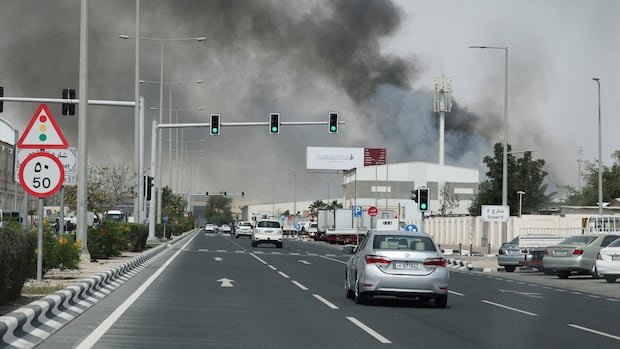

The evacuation of numerous foreigners stranded in the Persian Gulf conflict zone is being complicated by conflicting advice and unpredictable airport closures. The airspace in a vast area of the Middle East is now deemed unsafe for flights due to ongoing hostilities, leading to rerouting of some Asian-bound flights to avoid the danger zone. Flight radar data reveals a significant area devoid of civil aviation activity, primarily centered on Iran, as the country faces attacks from the U.S. and Israel.
Despite the threat posed by retaliatory ballistic missiles and drones launched by Iran, the major concern for civil aviation in the Gulf region is the risk posed by heat-seeking air defense systems of the involved countries.
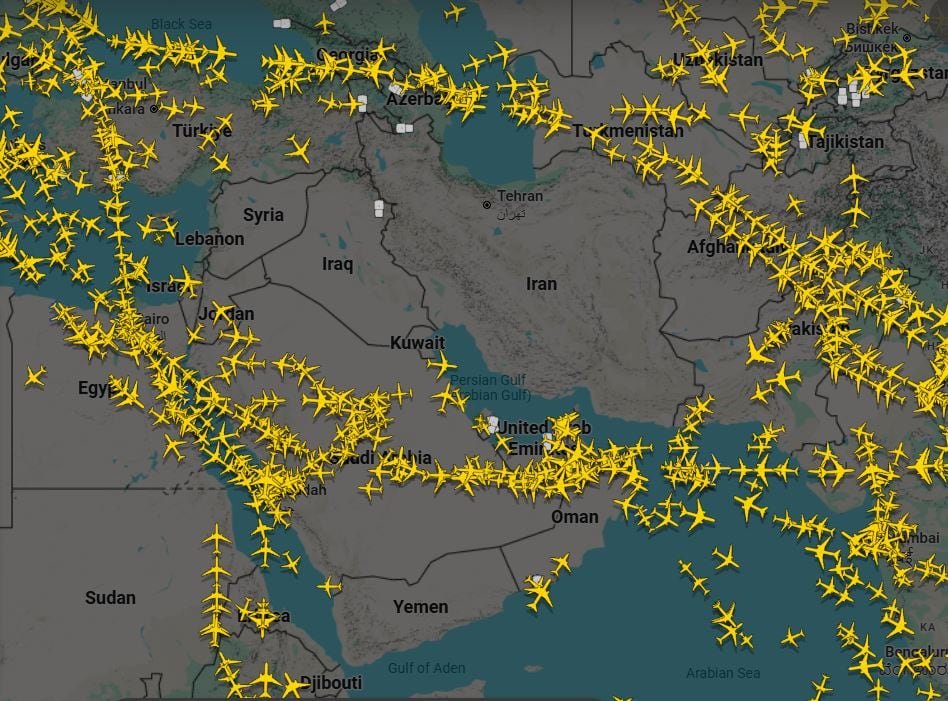
In a recent incident, air defense units mistakenly downed three U.S. F-15 fighter jets in Kuwait, highlighting the risks associated with hasty reactions during conflict situations. The history of aviation incidents in the region includes tragic events like the downing of Iran Air Flight 655 by the U.S. in 1988 and the Ukraine International Airlines Flight PS752 by Iran’s Revolutionary Guard Corps in 2020.
Amid the turmoil, confusion persists among foreigners as they navigate contradictory instructions on evacuation procedures across the Middle East. The decision-making process for flights remains largely discretionary and reliant on individual pilots’ judgment.
Canadians Concentrated in U.A.E., Lebanon
Efforts to evacuate stranded individuals have seen increased air traffic departing from various Middle Eastern airports, including Oman, Saudi Arabia, and Yemen. Canada is facilitating charter flights out of the United Arab Emirates and securing seats on commercial flights for evacuees.
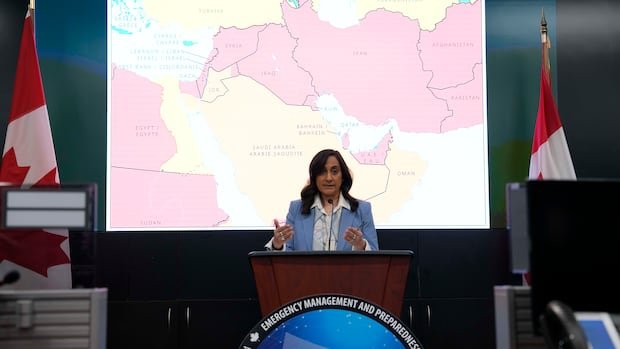
Foreign Affairs Minister Anita Anand announced additional seats for Canadians seeking evacuation from Lebanon, with a relatively low number of evacuation requests compared to previous conflicts in the region. The situation at Beirut International Airport reflects disruptions, with limited flight operations being carried out.
Technical disruptions, potentially caused by GPS spoofing activities in the region, have led to unusual flight patterns and navigational challenges for civil aviation. The interference is posing additional risks to air travel operations.
European, North American Carriers Remain Cautious
European countries have advised their citizens to consider air travel evacuation options, although warnings from the European Union Aviation Safety Agency highlight the risks of operating in the airspace of affected countries. European airlines appear to be adhering to safety recommendations, avoiding flights within the conflict zone.

Providing reliable news, thoughtful insights, and balanced coverage across politics, business, culture, and global affairs. We are committed to factual reporting that informs, engages, and empowers readers every day.