
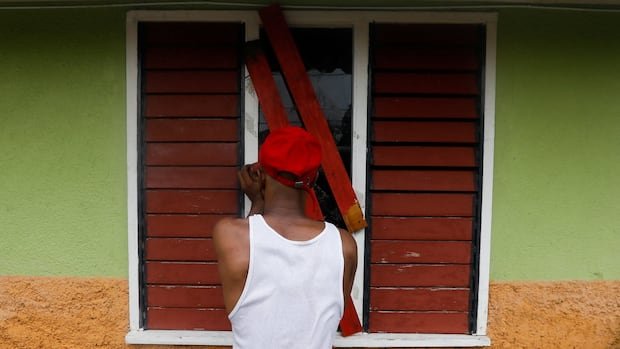

Hurricane Melissa, now classified as a Category 4 hurricane, is on a path towards Jamaica and Cuba, carrying the risk of severe floods, landslides, and storm surges as forecasted by the U.S. National Hurricane Center (NHC) on Sunday. The storm boasts sustained winds reaching 140 miles per hour (220 kilometers per hour) and is projected to intensify as it approaches Jamaica, with a landfall expected on Monday night or Tuesday morning. It is also anticipated to impact southeastern Cuba by late Tuesday.
Authorities in Jamaica have urged residents to seek safety in nearly 900 shelters established across the country, offering support to those willing to evacuate. Prime Minister Andrew Holness issued mandatory evacuation directives for Port Royal in Kingston along with six other regions to ensure the safety of residents. Desmond McKenzie, the Minister of Local Government, expressed concerns over the potential devastation, emphasizing the vulnerability of low-lying areas in Kingston to flooding.
The closure of both international airports was enforced as a precautionary measure. Despite evacuation efforts, some residents opted to remain in their homes, with reports of individuals refusing evacuation assistance. Douglas Butler, a local boat captain in Port Royal, shared his decision to weather the storm and monitor the situation closely, underscoring the importance of having essential supplies.
The NHC warned of expected rainfall ranging from 15 to 30 inches in Jamaica and southern Hispaniola, with localized amounts potentially reaching up to 40 inches. Eastern Cuba is predicted to receive 10 to 15 inches of rainfall, with possible higher levels up to 20 inches. Dana Morris Dixon, Jamaica’s Information Minister, highlighted the readiness of the Caribbean Disaster Emergency Management Agency to provide aid, noting the unprecedented rainfall estimates.
International support has been pledged to assist the affected regions, recognizing the unprecedented nature of the impending weather conditions.