
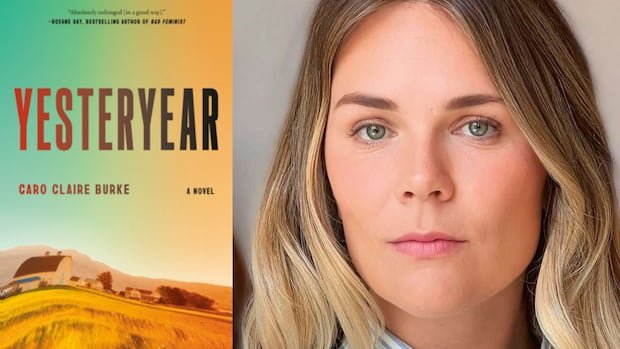

Caro Claire Burke’s first novel, “Yesteryear,” portrays the journey of a modern influencer, famous for her idyllic farm life shared with 8 million online followers. However, her world is turned upside down when she unexpectedly finds herself transported back to the 1800s, facing the harsh realities of life without modern amenities.
The term “tradwife” refers to a subgroup of social media influencers who epitomize traditional homemaking roles, garnering significant attention on platforms like TikTok and Instagram.
Burke discussed the growing fascination with the traditional wife archetype in contemporary culture and its reflection in politics. The protagonist of “Yesteryear,” Natalie Heller Mills, embodies this trend, offering a thought-provoking exploration of fame, tradition, and femininity.
During an interview with Mattea Roach on “Bookends,” Burke delved into the complexities surrounding the perception of tradwives. She highlighted the intersection of gender studies and womanhood, emphasizing the multifaceted discourse that surrounds the concept.
Natalie, the central character in the novel, is portrayed as a complex and ambitious individual with deeply ingrained beliefs and high expectations, yet lacking emotional intelligence. Burke shared insights into Natalie’s creation and the character’s evolution throughout the narrative.
Acknowledging Anne Hathaway’s role in bringing Natalie to life, Burke revealed how discussions with the actress and her team influenced the development of the story’s themes and characters. Hathaway’s input played a pivotal role in shaping the narrative and enhancing the depth of the protagonist’s portrayal.
In the acknowledgements, Burke expressed her intention to address future generations of women through her work, underscoring the intergenerational lessons of womanhood depicted in the novel. The idea of passing on the baton of empowerment to future women resonated deeply with Burke, offering a sense of comfort and hope amidst societal challenges.
The novel, “Yesteryear,” not only delves into the complexities of traditional roles and modern influences but also serves as a reflection on the enduring nature of womanhood and empowerment across generations.