
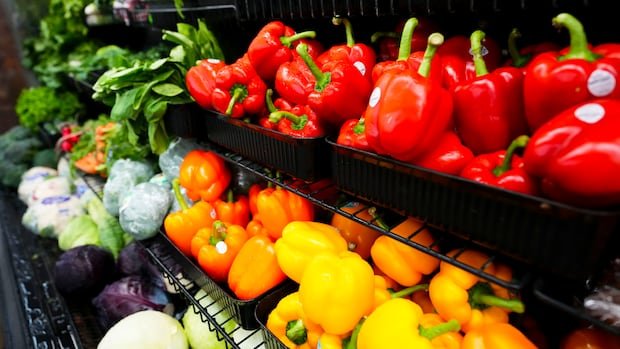

Could the concept of public grocery stores be successful in Canada? From Toronto to New York City, there is a growing interest among politicians in exploring the idea as a solution to combat rising food costs.
New York City Mayor Zohran Mamdani has proposed a model where the city would cover construction costs, rent, and property taxes for government-run grocery stores. The intention is for potential savings to be passed on to consumers. Similarly, Toronto city council has approved a motion for a pilot program mirroring this concept, scheduled for presentation next spring.
Federal NDP leader Avi Lewis has also advocated for the establishment of public grocery stores in Canada, highlighting the potential for these stores to offer essential items at lower prices compared to private retailers. However, critics argue that the plan is not well-thought-out and could lead to a misuse of public funds.
As Canadian grocery prices continue to rise, with a 5.7% increase in February from the previous year, the call for innovative solutions becomes more pressing. The Canada Food Price Report predicts a further price hike of four to six percent this year, impacting the average family’s food budget significantly.
While public grocery stores may seem like a viable option, food economist Michael von Massow warns that they are not a definitive solution to inflation in the grocery sector. Von Massow, a professor at the University of Guelph, emphasizes the challenges governments face in operating businesses with slim profit margins, suggesting that subsidies for operational costs may be necessary for these stores to compete effectively.
Rial Carver, the program director of Kansas State University’s Rural Grocery Initiative, highlights the importance of finding competent individuals to manage public grocery stores, given the narrow profit margins in the industry. She outlines two primary models for operating such stores: public-private partnerships and municipally owned operations.
Drawing inspiration from the U.S. military commissary model, Errol Schweizer, a former Whole Foods executive, suggests that Canada could benefit from a similar approach to public grocery stores. The commissary model, which offers subsidized prices to military personnel, could potentially address the issue of rising food costs more effectively than current proposed models.
In addressing these challenges, Gary Sands, vice-president of the Canadian Federation of Independent Grocers Policy and Advocacy, stresses the need to focus on reducing costs within the food supply chain. Sands proposes solutions such as establishing regional distribution centers to lower transportation expenses and providing more support to independent grocers to enhance their competitiveness in the market.
Overall, the debate on public grocery stores in Canada continues, with proponents and critics offering diverse perspectives on the feasibility and effectiveness of this innovative approach to addressing food affordability issues.