

As London undergoes growth and diversification, local non-profit and community leaders emphasize the importance of the health sector adapting to evolving needs.
Representatives from various London community organizations came together at Innovation Works for The Big Picture, an annual event where policymakers and non-profits discuss significant challenges facing the southwestern Ontario city.
This year’s focus was on community health, inclusion, and belonging, highlighting the necessity of addressing these aspects to reduce health disparities in the area.
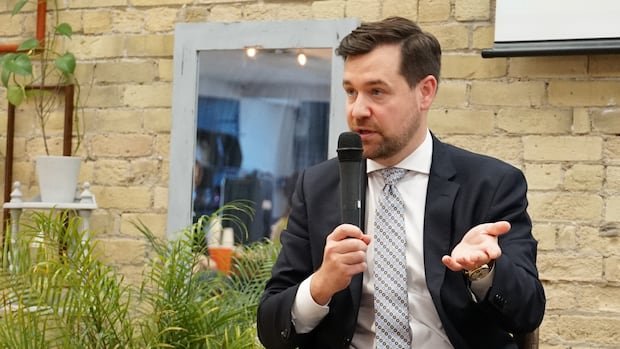
“The well-being of the healthiest individuals in our community is intrinsically linked to the health of the most vulnerable,” stated Dr. Alex Summers, the medical officer of health at Middlesex-London Health Unit, during a panel discussion.
“Thriving communities often exhibit a narrower gap between the richest and poorest, and the healthiest and least healthy members. To cultivate a truly healthy community, fostering connectivity, inclusion, and a sense of belonging among all residents is crucial,” he emphasized.
Despite progress, the city still faces challenges in supporting specific groups, including those experiencing homelessness, low income, and belonging to marginalized communities, noted Summers.
“Exclusion can deter individuals from seeking care, making them feel unwelcome in certain spaces,” explained Donavon Trice, the men’s sexual health outreach coordinator at the Regional HIV/AIDS Connection.
Trice suggested that one way to enhance inclusivity in the healthcare system for marginalized Londoners is by connecting them with physicians from their own communities. Trice, who recently had their first consultation with a Black doctor at the age of 35, emphasized the significance of being understood and not having to justify one’s experiences during medical visits.
Paloma Terra, from the health and well-being sub-council of the London & Middlesex Local Immigration Partnership, shared that immigrants and newcomers also seek similar support, advocating for the development of “culturally safe” medical spaces in London.
“Creating spaces where individuals feel heard, safe, and understood, with peers who share their experiences, is essential,” Terra emphasized in an interview with CBC News.
She referenced the Indigenous healing facility within London Health Sciences Centre, established in partnership with Atlohsa Family Healing Services, which provides traditional Indigenous healthcare services.
Terra proposed that the concept of cultural safety, traditionally associated with Indigenous communities, should also extend to BIPOC communities and diverse gender identities. By collaborating with local community organizations, more culturally inclusive spaces can be integrated into hospitals to ensure equitable care.
Promoting Health Through Prevention
Summers highlighted the significance of addressing root causes of illnesses proactively to improve community health in London.
“By addressing food insecurity data with the same urgency as responding to a heart attack, we can shift our focus towards building health rather than reacting to diseases,” Summers explained.
“Prioritizing interventions for families facing systemic challenges like oppression and income insecurity, rather than solely reacting to crises like opioid overdoses, can position us to provide effective support,” he added.
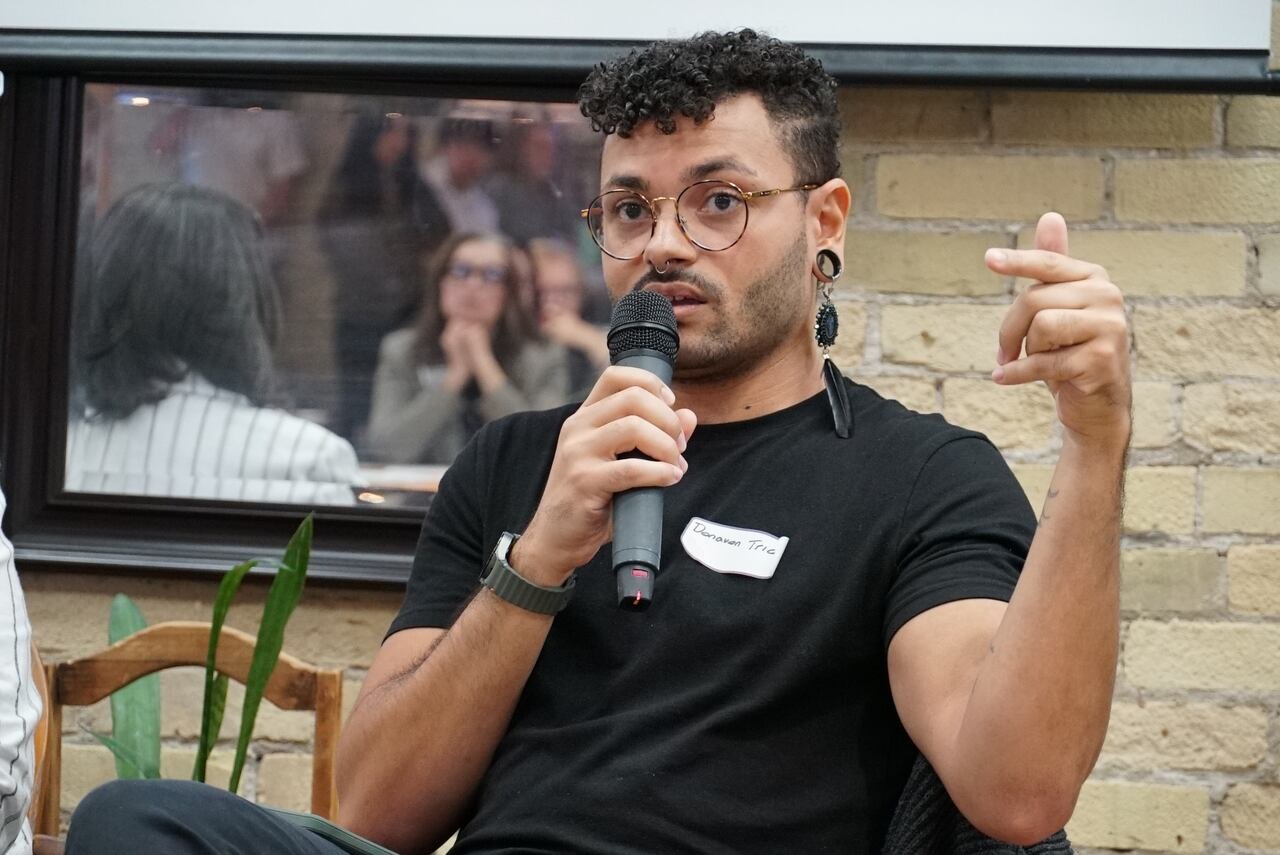
Trice emphasized the role of healthcare professionals and leaders in fostering inclusivity and addressing personal biases within the healthcare system.
“Policies alone cannot ensure my safety in an environment where I feel excluded,” Trice asserted.
</div