
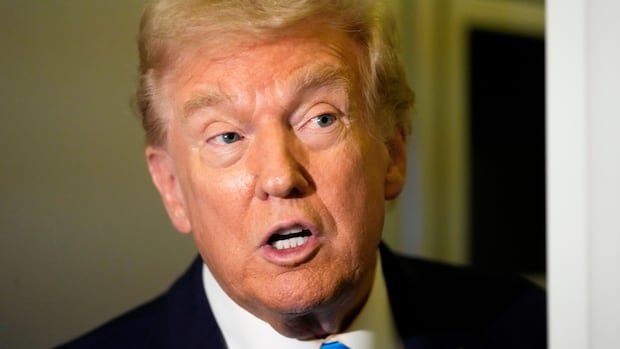

U.S. President Donald Trump took to social media to declare a 10% increase in tariffs on Canada above the current rates due to an Ontario government advertisement. Trump accused Canada of running a deceptive commercial featuring Ronald Reagan’s speech on tariffs during the World Series. The specific tariffs targeted by Trump remain undisclosed, and inquiries have been made to various government offices for clarification.
The escalating tensions stem from the Ontario ad that uses Reagan’s words to convey an anti-tariff message to American viewers. Trump’s decision to halt trade discussions with Canada was triggered by what he deemed a fraudulent advertisement. The Ronald Reagan Presidential Foundation & Institute criticized the ad for unauthorized use of Reagan’s remarks.
The situation has sparked debates on the impact of tariffs on trade between the two countries. Canadian officials stress the importance of diplomatic resolution and emphasize the necessity of a successful free trade agreement. Contrary to Trump’s claims, tariffs are ultimately paid by American importers, affecting both domestic consumers and foreign exporters.
Trump also alleged that Canada’s actions were aimed at influencing the U.S. Supreme Court regarding the constitutionality of his broad-based tariffs on multiple countries. The upcoming Supreme Court hearing in November will address the legality of these tariffs and their potential repeal.
Meanwhile, Prime Minister Mark Carney is exploring trade opportunities in Malaysia with ASEAN amidst the trade tensions. Carney’s response to Trump’s trade talks termination highlighted the readiness to resume discussions for mutual benefit. However, critics blame Carney’s delayed trade deal for the current tariff escalations.
The ongoing trade dispute underscores the complexities of international trade relations and the significant economic implications for both nations involved. Efforts are being made to navigate the challenges and find common ground through diplomatic channels.