


In the midst of the Canada-U.S. trade conflict, Derek Friesen, owner of PhiBer Manufacturing Inc., shared how his agricultural equipment business had largely escaped the impact of the trade war, except for some items hit by previous tariffs. However, the recent announcement of Canadian retaliatory tariffs on $27.6 billion worth of U.S. goods has brought new challenges.
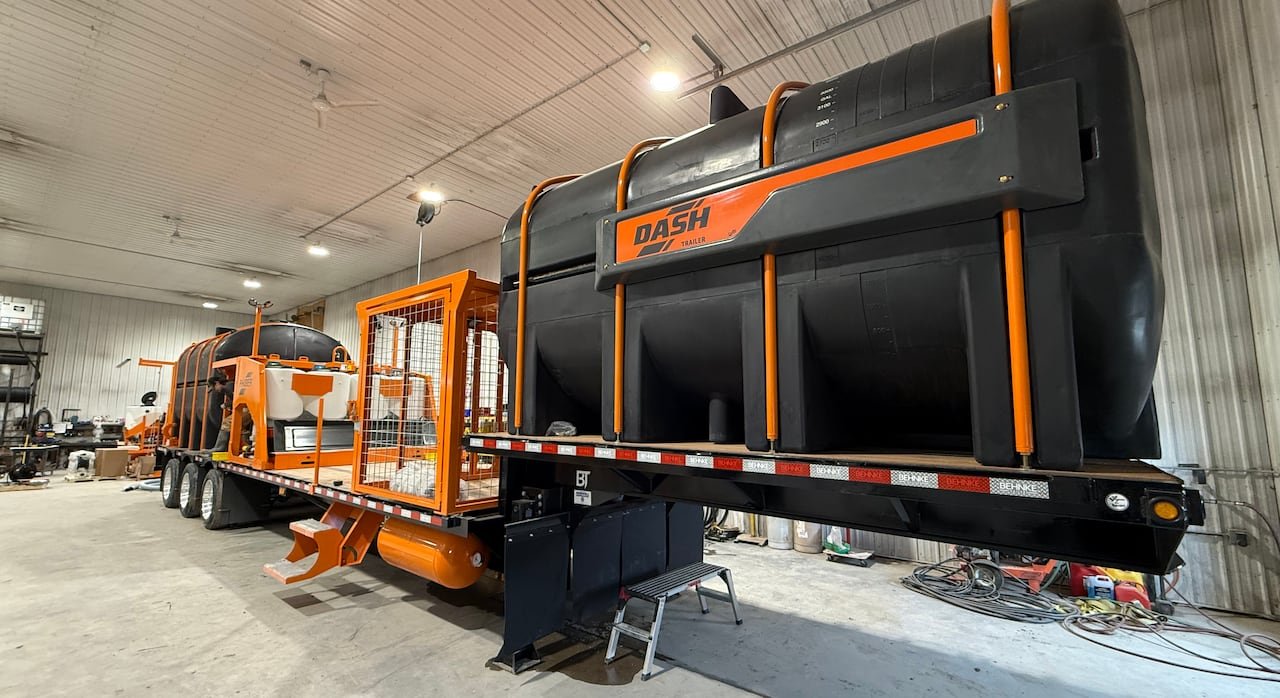
PhiBer Manufacturing Inc., based in Manitoba, specializes in producing agricultural equipment such as dash trailers essential for large-scale farming operations. These trailers, previously imported from Iowa, will now face additional tariffs starting from September 8, affecting the cost and availability of these crucial components.
Friesen expressed concerns about the significant impact these tariffs would have on the production costs of the dash trailers, potentially leading to a sharp increase in prices that farms might struggle to absorb. He anticipated that the economic feasibility of these trailers, constituting a substantial portion of his sales, could diminish rapidly in the coming weeks.
While some businesses hope that the new countermeasures would boost domestic sales, others fear the escalating trade tensions and the financial burden they bring.
Bradley Saunders, an economist at Capital Economics, noted that the Canadian government strategically targeted various U.S. products for tariffs, mainly focusing on items with alternative domestic sources to minimize the impact on consumers and industries. Saunders highlighted that the overall effect of these countermeasures on inflation would be modest.
Despite the measures, Jim Estill, the owner of Danby Appliances in Guelph, Ont., viewed the tariffs as a mixed bag. While some of the components used by his company would face increased costs, making certain products less competitive, the tariffs could also present opportunities for Canadian-made goods to gain market share over U.S. imports.

Simon Gaudreault, chief economist at the Canadian Federation of Independent Business, echoed concerns about the adverse effects of retaliatory tariffs on Canadian businesses, particularly those heavily reliant on U.S. imports. He emphasized the need for a swift resolution to the ongoing trade dispute to prevent further harm to the economy.
The federal government’s announcement of a $7.5-billion support package for businesses and workers affected by the trade war was met with skepticism by Gaudreault, who questioned the effectiveness of such measures in mitigating the negative impact on businesses. Despite the assistance programs, uncertainties loom over the resilience of Canadian businesses amid the escalating trade tensions.