
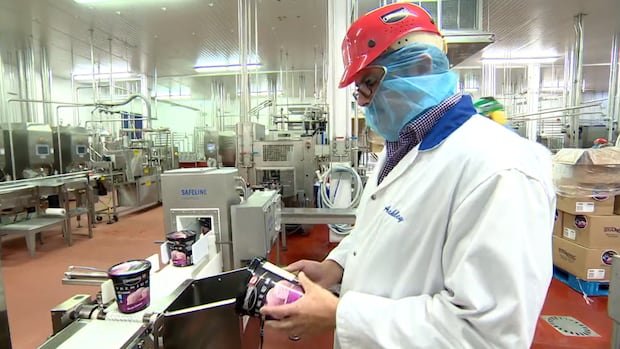

An ice cream company in Ontario has announced plans to replace over 70% of its American ingredients and maintain prices for the next two years. Chapman’s Ice Cream is making this move in light of the ongoing trade dispute between Canada and the United States. The family-owned business has committed not to raise its ice cream prices until March 2028.
CEO Ashley Chapman revealed that the company began seeking alternatives to U.S. suppliers back in March 2025, following the announcement of initial tariffs from the Trump administration. Chapman emphasized the company’s proactive approach during an interview with CBC’s London Morning, stating, “We made a statement at that time that we weren’t raising prices and we were going to start this journey. And here we are. We have not been sitting idle. We have been working very hard.”
By mid-2027, Chapman’s aims to substitute more than 70% of its American ingredients and components with Canadian or non-U.S. sources. Notably, the company has partnered with Original Foods Limited, a Dunville, Ont.-based company, to produce sugar cones locally. This collaboration ensures that Chapman’s will have a 100% Canadian cone line, a unique offering in the country.
Steeve Tremblay, president of Original Foods Limited, expressed satisfaction in supporting local manufacturing, emphasizing the positive impact on Canada’s economy. The agreement between the two companies has been finalized, with equipment procurement in progress. However, delays have been encountered due to specific Canadian regulatory requirements that differ from European standards.
Looking ahead, Tremblay intends to reach out to other Canadian companies to encourage further local partnerships. Chapman’s is also transitioning the production of wafers for its ice cream sandwiches to Canada and sourcing ingredients like almonds from Australia and cherries from Chile.
Ashley Chapman highlighted how the trade dispute has prompted Canadian companies to reevaluate their domestic production strategies. He noted that some of the changes have been surprisingly cost-effective, citing the example of sourcing almonds from Australia at a better price than from the U.S.
Chapman emphasized the long-term commitments made by the company, including a five-year contract for Canadian-made cones. Additionally, efforts are underway to enhance production efficiency to manage costs effectively. He expressed confidence in navigating through the challenges and reaffirmed the company’s commitment to using 100% Canadian dairy in its ice cream products.