
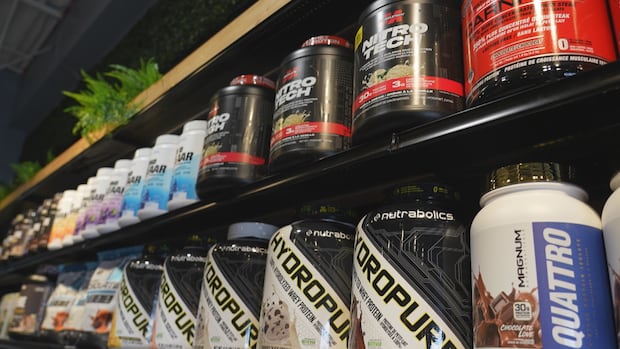

Jennifer Mason has been increasing her protein intake by incorporating whey protein powder into her diet in recent years. However, she has recently experienced a shock due to the rapidly rising prices. As a new mother facing escalating costs, she is reconsidering her grocery purchases.
“I’m just reducing my purchases. I’m looking to find protein in whole foods I consume instead of relying on products,” she explains.
In response to the surging demand, food manufacturers and fast-food chains are adding whey protein to a wide range of products, from snacks to beverages. This trend has led to ingredient shortages and has driven prices to unprecedented levels. Additionally, the ongoing trade conflict between the U.S. and Canada is exacerbating costs, which may ultimately affect consumers.
Protein options expanding
Protein-rich items are increasingly appearing on grocery store shelves, including chips, Pop-Tarts, and candy. Recently, Khloé Kardashian introduced her protein popcorn, while Starbucks has rolled out a protein cold foam, aligning with the whey protein shots already available at Booster Juice.
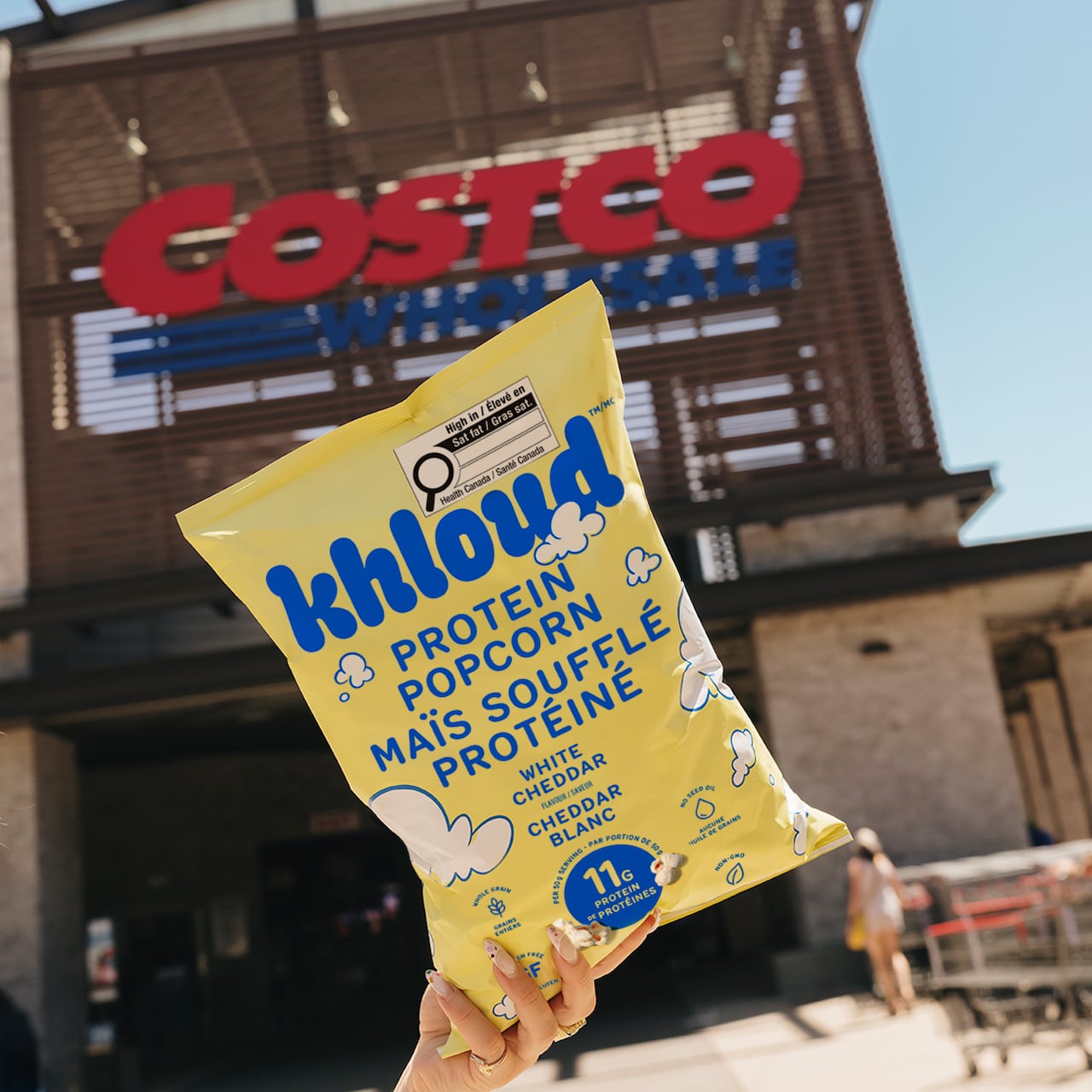
Khloé Kardashian’s Protein Popcorn is made with 7 grams of protein per serving, using “Khloud Dust,” a milk protein isolate blend coating the kernels. (Khloud)
Prominent brands are infusing whey protein into their offerings to attract health-oriented consumers. Fitness influencers are promoting a trend known as protein-maxxing, encouraging the intake of dietary protein whenever possible. Furthermore, as more individuals begin using weight-loss medications like Ozempic, many are increasing their protein consumption to mitigate muscle loss.
This surge in demand is depleting the global supply of whey protein concentrate, a key ingredient in high-protein products.
John Murray, who oversees marketing for Daryl’s Bars, a protein snack producer based in Tecumseh, Ontario, mentions that large companies securing substantial whey orders are causing smaller manufacturers like his to struggle to obtain enough for their needs.
Canada primarily imports its whey protein concentrate from the United States, where prices have skyrocketed, more than doubling in the last 18 months.
According to the U.S. Dairy Export Council, the “domestic appetite for high-protein whey has been unquenchable,” resulting in reduced availability for export.
This increased demand has also led to a spike in prices, with whey protein concentrate, or WPC80, experiencing a 60% rise in 2025. By June 2026, buyers faced an additional 76% hike.
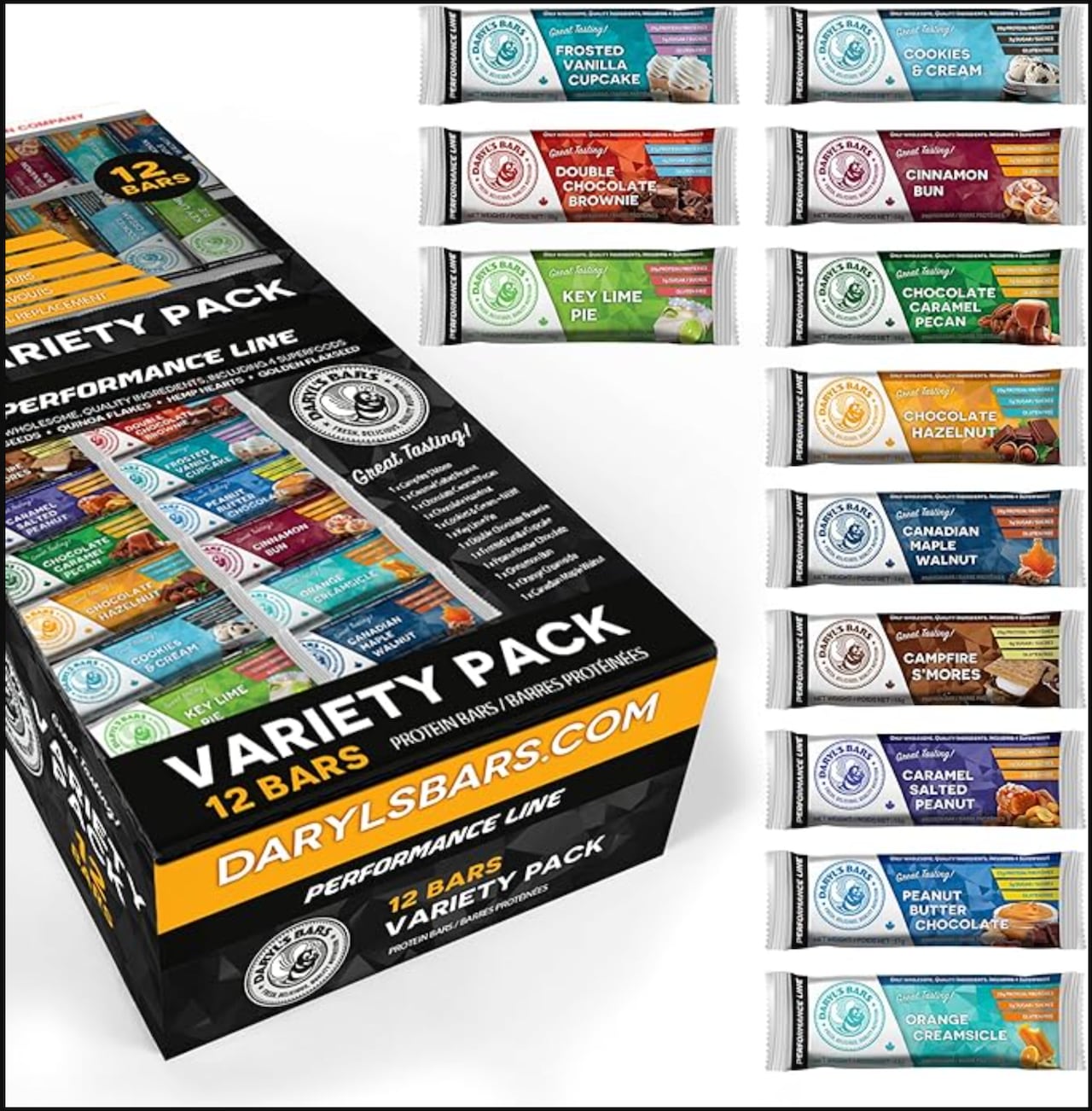
Daryl’s Bars marketing manager John Murray says the price of whey protein imported from the U.S. has gone ‘through the roof.’ (Daryl’s Bars)
To adapt to the escalating costs, Murray states his company has had to increase prices for its protein snacks.
“We absorbed as much as we could, but it has become unmanageable over the past year. It has completely exceeded our profit margins,” he remarked.
The majority of the whey protein used by the company is sourced from Wisconsin, and Murray notes that alternatives are limited.
“If we could source 100% of what we needed from Canada, we would definitely choose that option.”
Caught in a trade conflict
The trade dispute is further complicating matters for food producers.
Following the latest round of U.S. tariffs on Canadian products, the Canadian government enacted a 50% tariff on imports of American whey on September 8, which has further escalated prices.

Canadian companies can seek assistance through Ottawa’s tariff-remission program, provided they can prove that they cannot reasonably source the goods domestically or from non-U.S. suppliers.
According to food economist Mike von Massow from the University of Guelph, it will be challenging to quickly increase supply since whey is a byproduct of cheese production. The liquid whey must undergo drying and processing into powder, a complicated process that requires specialized machinery.
“Drying something that is 95% water and only a small portion of protein is quite costly,” he noted.
The U.S. is a leading cheese producer, which contributes to its significant whey protein output. However, von Massow points out that Canada has limited processing capabilities.
“Producing milk solely for whey isn’t economically feasible. Even with the current high prices, the rest of the milk would still be a byproduct,” he explained.
The Dairy Processors Association of Canada anticipates that as tariffs increase the costs of U.S. imports, Canadian businesses may shift their sourcing to New Zealand, although that would involve considerable shipping expenses.
Managing expenses
Von Massow believes that the rise in prices may trickle down through the supply chain.
“I think the cost of your protein drink is likely to rise and remain elevated for some time,” he asserted.
Some users of protein products, like Audrey Marcoux, indicate they will bear the higher costs for the time being.
“Unfortunately, I’m still paying the higher price as it’s part of my routine. I work out frequently,” she stated.
Nathan Bugiardini mentioned that if prices continue to climb, he might reconsider his purchases.
“It’s somewhat frustrating, to be honest. I usually buy in bulk, which helps reduce costs a bit.”
Some consumers are opting for plant-based alternatives and unprocessed whole foods while whey protein prices remain elevated.
Nineteen-year-old Melania Antic expressed that the high prices have left her feeling financially stretched.
“It really discourages me, especially when I’m trying to find motivation to go to the gym and use protein afterward.”