
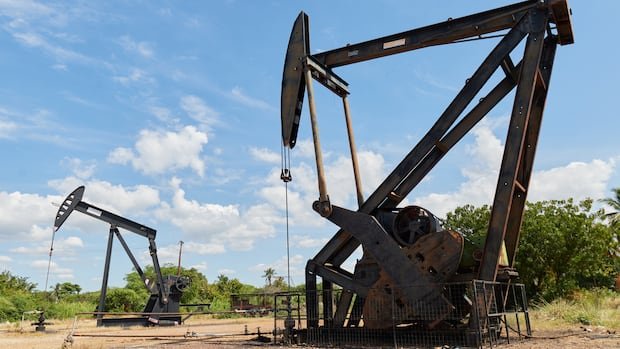

After reports emerged of U.S. troops launching an operation to capture Venezuela’s Nicolás Maduro earlier this month, Barry Blacklock’s phone lit up with notifications. The former Calgarian, who resided in Venezuela for 17 years and worked in the energy sector before departing in 2009, shared his insights during a video call from Mexico. He is currently involved in coordinating a group of companies eyeing investments and equipment deployment in Venezuela, foreseeing a surge in demand for their services in the coming years. Having previously led a similar initiative in 2019 amid speculation of a regime change that did not materialize, Blacklock expressed anticipation for an impending shift in the Venezuelan landscape.
The intervention in Venezuela, coupled with U.S. President Donald Trump’s pledge to revitalize the nation’s oil industry, has sparked cautious optimism among some players in Alberta’s energy field. However, uncertainties persist, including the nation’s unstable governance and the extent of U.S. involvement. Venezuela boasts the world’s largest confirmed crude reserves estimated at 303 billion barrels, but the oil sector has suffered from neglect and lack of investment over the past two decades due to governmental corruption and control.
Foreign firms, including those from Alberta familiar with heavy oil akin to Venezuela’s crude, see a profit potential in the country. Canadian consultant Amit Mankekar highlighted Canada’s technological expertise that could benefit Venezuela’s rejuvenation efforts. Adam Waterous of Strathcona Resources expressed readiness to dispatch a technical team to Venezuela if called upon, emphasizing the need for cautious optimism given past challenges in the region.
Despite the allure of opportunities, concerns loom over the practicalities of working in Venezuela, such as tax structures, safety measures for Canadian personnel, and the evolving dynamics of U.S.-Venezuela relations. The rebuilding process, anticipated to span several years and require substantial financial investments, faces hurdles related to infrastructure deficiencies.
Addressing the obstacles ahead, industry leaders stress the necessity of stable governance, legal assurances, and workforce security for any foreign entity entering the Venezuelan market. Pedro Pereira-Almao, a former executive with deep ties to Venezuela’s oil industry, emphasized the need for political and economic backing from the U.S. before committing to projects in the country. Reflecting on the tumultuous history of Venezuela’s oil sector, he underscored the importance of ensuring a conducive environment for international collaborations.
Looking forward, Pereira-Almao and others anticipate potential roles for experienced professionals in Venezuela’s energy resurgence, contingent on improved conditions in the nation. However, the looming competition between Venezuelan and Canadian oil exports, particularly to U.S. refineries, raises questions about market dynamics and potential impacts on Alberta’s energy sector. Blacklock acknowledged the mixed sentiments within Alberta’s energy community regarding the prospects in Venezuela, recognizing the potential repercussions on the Canadian industry with the resurgence of Venezuelan oil production.
In summary, the evolving landscape in Venezuela’s oil sector presents both opportunities and challenges for international players, warranting a cautious yet forward-thinking approach to potential investments and collaborations in the country.