
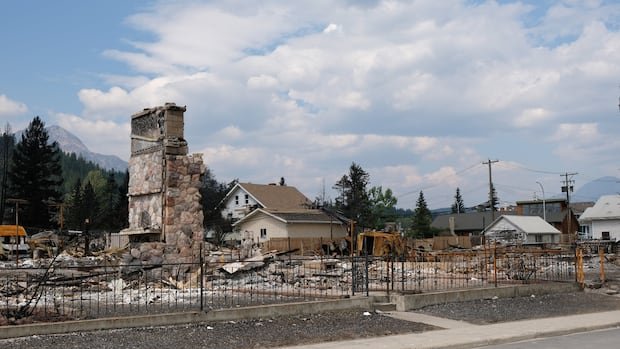

A recent analysis conducted by Canada’s Forest Service reveals that wildfire seasons in the country are becoming longer, larger, and more devastating. The study indicates that the increase in wildfires is not due to more frequent occurrences but rather a smaller number of larger fires that are burning more land than before. This trend, initially identified by federal scientists years ago, has been reinforced by a study published in 2019 by fire scientists at Natural Resources Canada, showing a steady rise in wildfire activity since the mid-20th century driven by higher temperatures and extended fire seasons.
While some regions saw clear increases in burned areas, others remained stable or even decreased. Human-caused fires were believed to be declining due to prevention efforts, and although the largest fires were growing, they had not yet become the predominant issue nationwide. However, a more recent study published in the Canadian Journal of Forest Research has extended the analysis through 2024, using enhanced satellite mapping and data from severe fire seasons in 2021, 2023, and 2024.
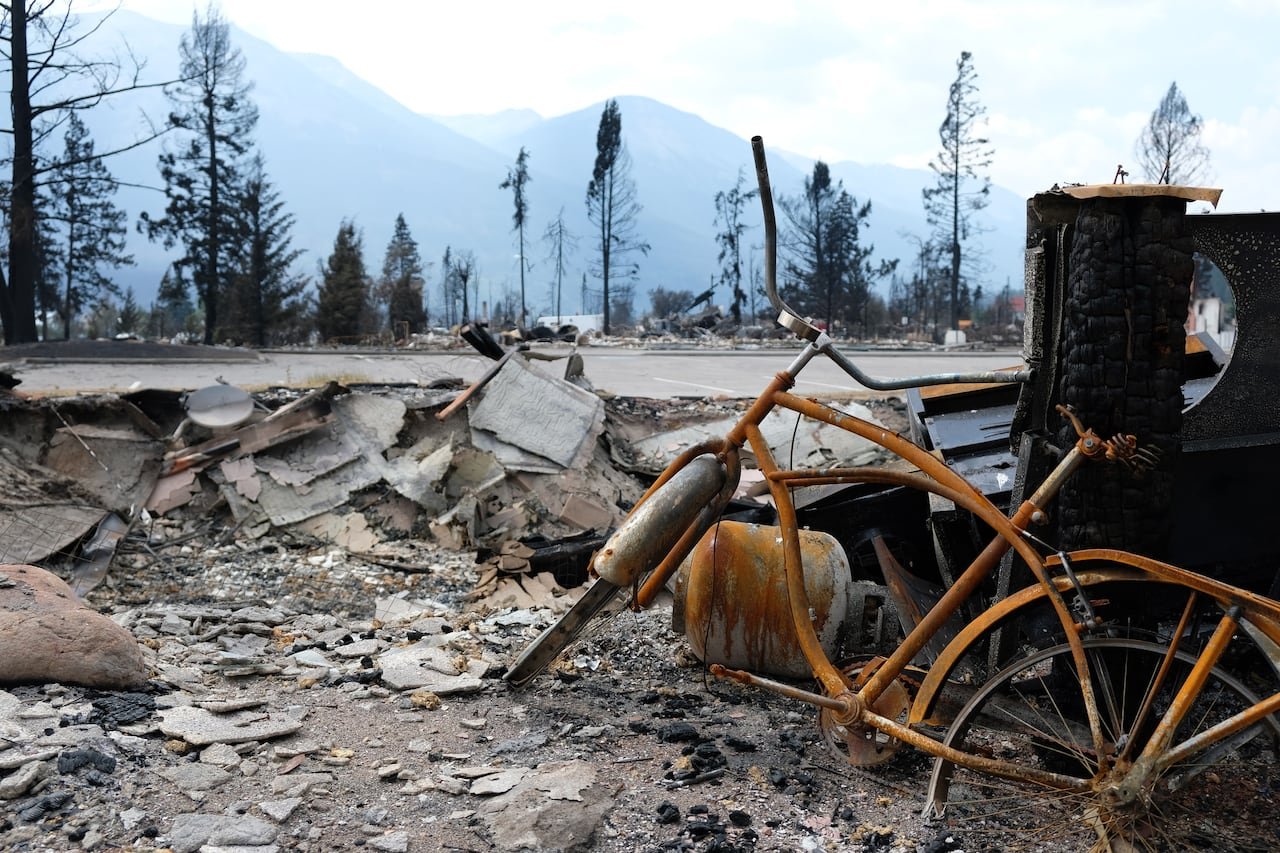
The study found that the area burned by wildfires is increasing across almost all Canadian eco-zones, even in traditionally lower-risk regions like the Pacific Northwest and Atlantic Canada. These areas, once considered less prone to fires due to wetter conditions, are now showing either stable or rising fire trends.
The study also highlights that the largest fires are responsible for an increasing portion of the damage, with human-caused fires starting to rise again since the early 2000s. The authors attribute this shift not to policy failures but to the hotter, drier conditions that make fire control more challenging.
Fighting the unstoppable
Chelene Hanes, a research scientist at the Canadian Forest Service in Sault Ste. Marie, Ontario, and the lead author of the 2019 and 2025 national wildfire studies, pointed out that the escalation in human-caused fires, particularly the larger ones, is due to drier fuel conditions. She mentioned that the largest fires have reached a scale and intensity that conventional firefighting methods struggle to contain, leading crews to focus on containment and protection rather than total suppression.
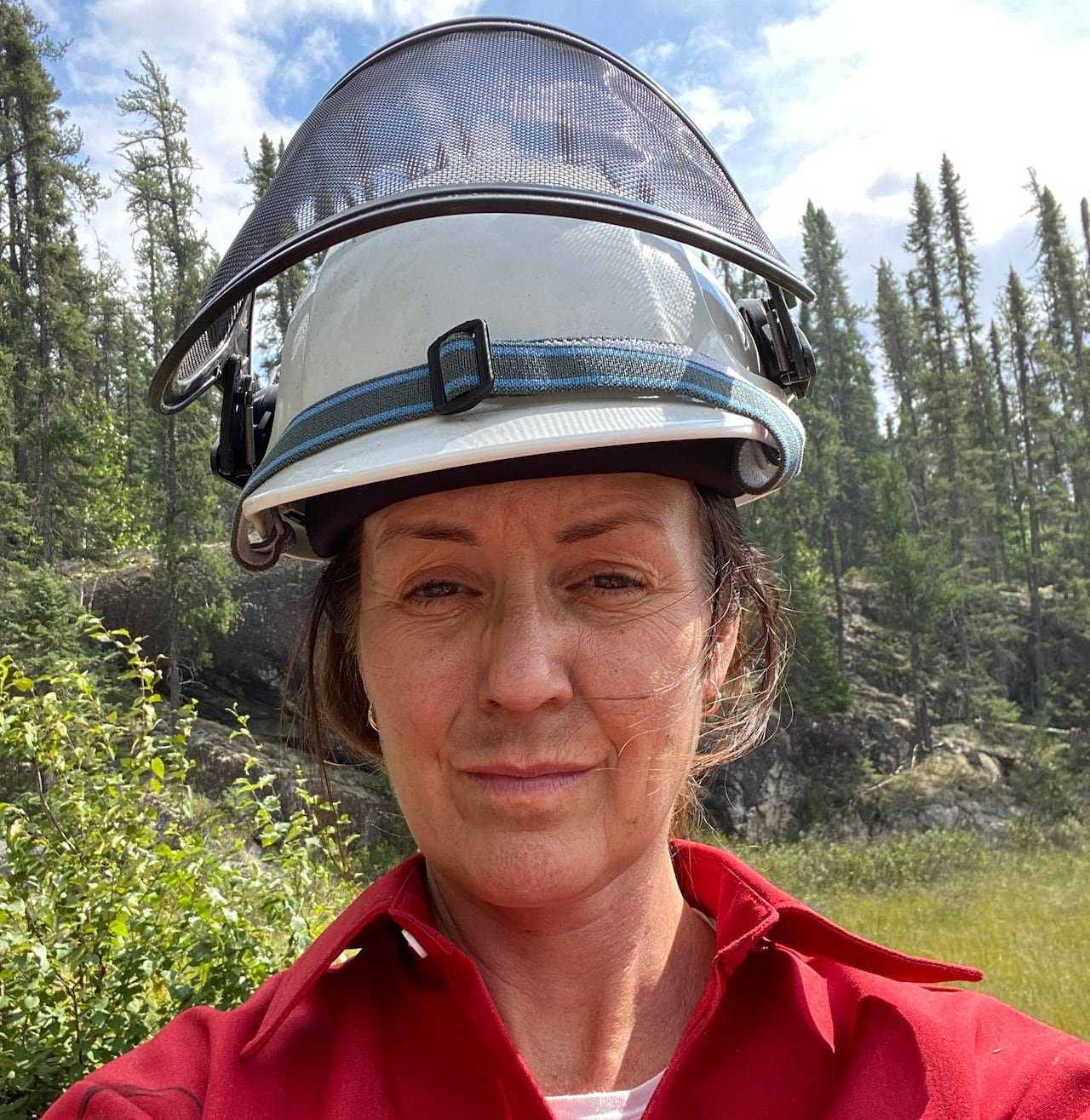
Hanes emphasized that the impact of these large wildfire events is becoming more evident on a national scale, as they account for a larger proportion of burned areas due to the overall dryness.