

The Canadian government, under the Liberal leadership, has decided to discontinue the tradition of presenting the annual budget in the spring. Instead, they will follow the example of the United Kingdom by introducing a new practice of delivering all future budgets in the fall, as announced by Finance Canada on Monday. This shift includes moving the fiscal update from the fall to the spring.
This change is part of the government’s updated framework, aiming to distinguish day-to-day operational expenses from capital investments in the upcoming budget scheduled for November 4. Despite this separation, Finance Canada will still present an overall deficit figure when the budget is unveiled.
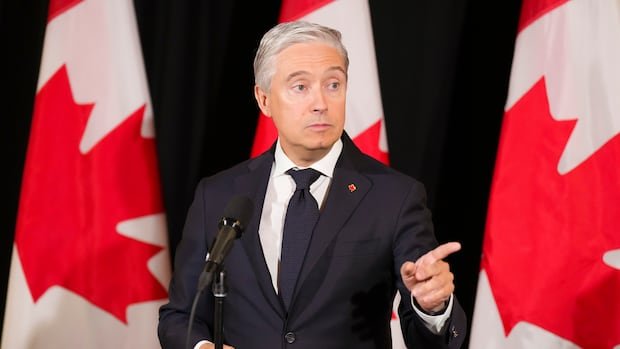
Finance Minister François-Philippe Champagne emphasized that transitioning to a fall budget cycle and implementing a new capital budgeting framework will lead to more transparent and well-timed decision-making, facilitating the delivery of significant long-term investments.
According to government officials providing insights in a technical briefing, the switch to a fall budget will benefit organizations reliant on federal funding to execute programs by offering them a clearer financial outlook before the start of the fiscal year in April. Moreover, this revised schedule will allow businesses to plan ahead for construction projects, expediting project commencement during the construction season.
The alteration in the budget timeline will also enhance parliamentary oversight of planned expenditures, enabling Members of Parliament to monitor spending more effectively. This initiative fulfills a commitment made by Prime Minister Mark Carney during the previous federal election campaign.
Finance Canada clarified that the division of the budget into operational and capital spending categories complies with public sector accounting standards. Capital spending encompasses expenses that contribute to public or private sector capital formation, including infrastructure development facilitated through government funding or tax incentives.
Minister Champagne affirmed that the method of calculating deficits and recording debt will remain consistent, ensuring financial stability. He reiterated the government’s commitment to balancing operational spending within three years while emphasizing the necessity of making strategic generational investments.
During a parliamentary committee meeting, Conservative MP Pat Kelly challenged the government’s promise to balance the operating budget by 2028-29. Despite Champagne’s reassurance that accounting principles remain unchanged, Kelly expressed skepticism regarding the government’s fiscal balance objectives.
Champagne defended the government’s spending priorities, emphasizing the importance of investing in various sectors such as infrastructure, defense, and housing to bolster the economy amid global uncertainties. He reiterated the government’s focus on distinguishing operational expenses from transformative long-term investments, providing clarity on Canada’s financial commitments and strategic priorities.