

The Canadian government has decided to divide its proposed border security legislation into two separate bills to expedite the passage of less controversial measures and allow for more thorough scrutiny of contentious provisions by the public. The newly introduced Bill C-12 incorporates various aspects from a prior bill in June, focusing on enhancing the Coast Guard’s responsibilities, strengthening immigration and refugee protocols, improving information sharing regarding sex offenders, and regulating chemicals used in illicit drug production.
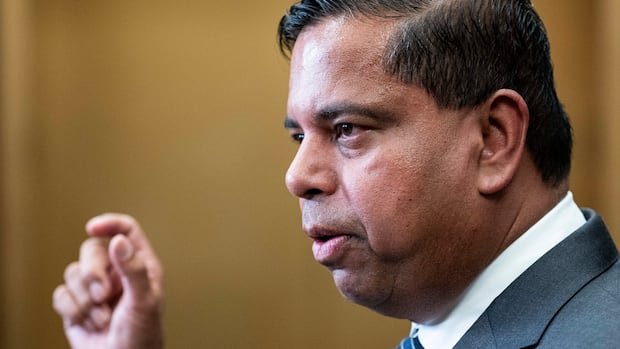
Public Safety Minister Gary Anandasangaree affirmed the government’s intention to pursue the initial bill, C-2, which grants authorities expanded search and information access powers. This strategic move means that the border security initiatives will progress through Parliament along distinct legislative paths, with Bill C-12 likely advancing first.
Following this approach, Bill C-2 will subsequently proceed through Parliament, with components duplicated in Bill C-12 omitted to prevent redundancy. The government’s decision, initially reported by CBC News, faced criticism from civil society organizations concerned about potential threats to civil liberties and human rights posed by the proposed border measures.
Tim McSorley, the national co-ordinator of the International Civil Liberties Monitoring Group, expressed disappointment over the government’s decision to split the bills instead of addressing the underlying issues. Similarly, Karen Cocq from the Migrant Rights Network emphasized the need to withdraw the new bill, citing concerns about due process protections for vulnerable individuals.
Anandasangaree explained to journalists that revising Bill C-2 during the legislative process posed challenges due to strict amendment guidelines. The original legislation aimed to bolster border security, combat organized crime, curb the influx of dangerous substances like fentanyl, and tackle money laundering, partly in response to pressure from the U.S. administration under former President Donald Trump.
While the bill garnered support from law enforcement agencies, drug control authorities, and child welfare advocates, over 300 civil society groups urged the government to retract the legislation, citing potential infringements on freedoms, migrant rights, and privacy. The minority government faced difficulties in securing backing from opposition parties for the bill.
Critics, including the International Civil Liberties Monitoring Group, raised concerns about proposed measures that could restrict asylum claims, authorize Canada Post to inspect letter mail, and facilitate enhanced information access by security agencies without warrants in urgent situations.