
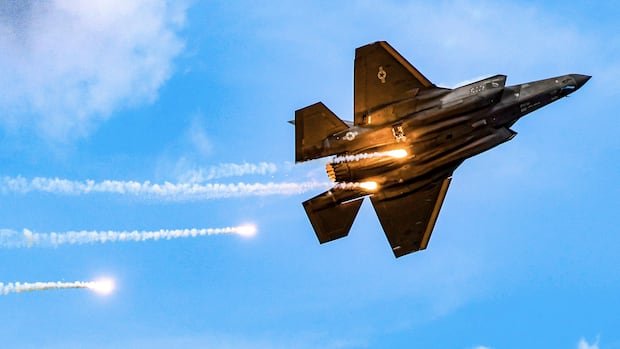

Canada remains fully committed to the F-35 fighter program, as confirmed by a senior official from the Department of National Defence during a recent appearance before a House of Commons committee. Deputy Defence Minister Stefani Beck informed MPs that the country is moving forward with the F-35 initiative until instructed otherwise.
The Prime Minister initiated a review of the $27.7 billion purchase of 88 F-35 fighters shortly after taking office, with a decision expected by late summer. However, no new directives have been issued yet. Beck emphasized the importance of continuing with the existing contract arrangements to ensure readiness for the incoming F-35 aircraft.
Canada has already paid for four F-35s and made deposits for eight more, with plans to acquire a total of at least 16 aircraft. The first batch is scheduled for delivery next year to facilitate training for pilots and technicians at a U.S. air force base.
The final decision on the F-35 program rests with the government, according to Beck, who highlighted the role of public servants in providing information for decision-making by elected officials. Despite some concerns raised by committee members about the costs associated with the program, supporters of the F-35 project are eager to see it progress.
The commander of the Royal Canadian Air Force, Lt.-Gen. Jamie Speiser-Blanchet, acknowledged the potential challenges of operating two separate fighter fleets concurrently. While stressing the need for a timely transition to advanced fifth-generation fighters, Speiser-Blanchet expressed concerns over the complexities and increased expenses of managing multiple aircraft fleets.
Officials defended the program’s cost increase, citing delays in construction due to revised security standards mandated by the U.S. joint project office. Additionally, fluctuations in foreign exchange rates impact the overall program expenses, adding or subtracting significant amounts from the budget.
Despite ongoing discussions and criticisms from various stakeholders, including the U.S. Ambassador to Canada, Pete Hoekstra, the decision-making process regarding the F-35 program continues. The effectiveness of Canada’s defense strategy, including its inter-operability within NORAD, remains a key consideration in the ongoing deliberations.