

The Canadian Liberal government is set to introduce an automated tax filing system for low-income citizens and establish the national school food program permanently before the upcoming federal budget. Prime Minister Mark Carney unveiled these initiatives during a press conference in Nepean, Ont., where he also pledged to extend the Canada Strong Pass through the holiday season and into the summer of 2026.
Carney emphasized the importance of making responsible decisions in the budget to support the nation’s most vulnerable individuals. He highlighted the government’s commitment to protecting programs that assist those in need and creating opportunities for advancement.
The automatic tax filing system was initially proposed by former Prime Minister Justin Trudeau’s government in the 2020 throne speech and was later confirmed in the 2023 budget. Many low-income Canadians, particularly those on government assistance, do not file tax returns despite being legally required to do so, resulting in missed benefits like the GST/HST tax credit, Canada child benefit, Canada workers benefit, Canadian disability benefit, and disability tax credit.
Carney stressed that failing to file a return when earning below the basic personal amount can prevent individuals from accessing critical benefits. He provided an example of a single parent with two children earning $15,000 from a part-time job potentially qualifying for up to $25,000 in federal and provincial benefits.
The automatic benefits filing system is expected to enroll approximately one million individuals with straightforward tax situations beginning in 2027, with the number rising to 2.5 million in 2028 and reaching up to 5.5 million low-income Canadians by 2029. Conservative House leader Andrew Scheer expressed disappointment with the government’s timeline, criticizing the perceived delay in implementing the policy.
Furthermore, Carney announced the extension of the Canada Strong Pass, which offers discounts on park visits, museum entries, camping fees, and train travel. The pass, initially introduced for the summer of 2025 to boost domestic tourism, expired on September 2 but will be reinstated for the upcoming holiday season and the summer of 2026. The pass provides free entry to national historic sites, national parks, and national marine conservation areas, along with discounts on various amenities for young adults and children.
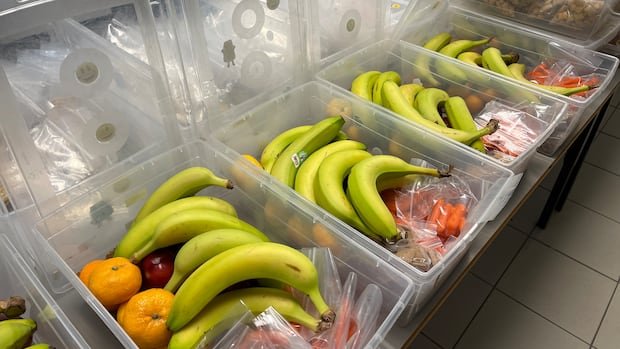
The government also confirmed its commitment to making the national school food program permanent, with plans to expand the initiative in collaboration with provinces, territories, and Indigenous partners. The program, which has already benefitted 400,000 children annually, will receive an annual funding of $216.6 million starting in 2029-30.
These measures are part of the government’s efforts to support vulnerable populations and enhance social welfare programs across Canada.