
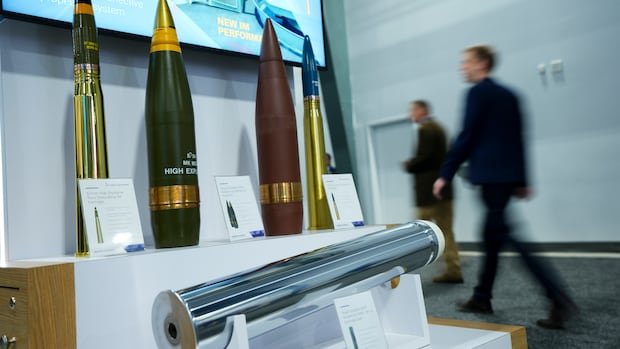

Canada’s economy expanded by 2.6 percent on an annualized basis in the third quarter, averting a technical recession primarily due to a substantial increase in defense expenditures. The surge in government spending on military equipment, soaring by 82 percent during the quarter, bolstered the growth, complemented by a rise in crude oil exports. In a commitment made in June, Canada, in alignment with other NATO nations, vowed to allocate five percent of its GDP to defense by 2035.
Moreover, there was an uptick in government outlays on non-residential structures like hospitals. However, business investments remained stagnant, while household spending dipped, attributed to fewer car purchases but increased expenditure on rent and financial services. Statistics Canada revised the second quarter GDP figures from a 1.6 percent contraction to a 1.8 percent decline and highlighted potential larger revisions for the third quarter in February due to missing data from the U.S. government shutdown.
The GDP witnessed a 0.2 percent monthly growth in September, according to Statistics Canada. The economy sidestepped a technical recession, defined by two successive quarters of negative growth, with the third quarter’s performance allaying recession concerns for now, as per Douglas Porter, the chief economist at the Bank of Montreal. Porter maintained a cautious outlook, forecasting a 1.4 percent growth for the upcoming year, slightly higher than the federal budget’s projection of 1.2 percent.
The Bank of Canada is expected to maintain its current stance in the upcoming meeting, as the overall economic performance exceeded expectations. Conversely, Andrew DiCapua, the chief economist at the Canadian Chamber of Commerce, painted a gloomier picture of the economy, labeling it as “ailing.” DiCapua emphasized the necessity for robust domestic demand to drive growth, citing the lackluster performance of households and businesses hindering the economy from gaining momentum.