

Amid the ongoing conflict in Iran affecting oil and gas exports from the Gulf region, there is a potential rise in demand for Canada’s energy sector. This situation has prompted federal officials to highlight Canada as a stable source of energy during this period of uncertainty.
Following a joint attack by the U.S. and Israel on Iran, energy prices have surged. Iran’s warning to tankers not to pass through The Strait of Hormuz, a crucial route for global oil transportation, has led to disruptions in the energy sector. Several energy companies operating in the Gulf region have ceased operations due to the conflict, creating uncertainty about its duration.
Canada’s oil and gas industry, which does not rely on Middle Eastern routes, boasts stronger environmental regulations compared to non-democratic oil-producing nations like Qatar and Russia. Additionally, Canada’s proximity to Europe positions it favorably in terms of energy supply compared to countries like the United States and Venezuela.
Energy and Natural Resources Minister Tim Hodgson emphasized Canada’s reputation as a stable and reliable energy producer during a global mining conference in Toronto. However, experts and stakeholders caution that while Canada’s energy sector can partially bridge the gap caused by the conflict, it cannot fully compensate for the lost supply.
Canada’s energy capacity is attracting interest from countries like Poland, Germany, Japan, South Korea, and India, signaling a potential diversification of energy sources. With crude oil prices hovering around $80 US per barrel, European and Asian markets may seek to enhance their energy supply security by exploring Canadian energy products.
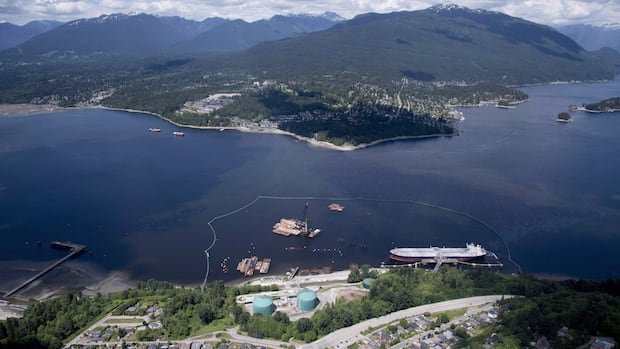
Despite Canada’s potential to meet increased demand, challenges remain in terms of infrastructure limitations hindering efficient resource delivery to global markets. Expansion projects such as the Trans Mountain Pipeline and LNG plant in Kitimat, B.C., aim to bolster Canada’s energy export capabilities. However, these initiatives may take years to reach full operational capacity.
While Russia emerges as a potential energy supplier for Europe amid geopolitical shifts, concerns persist about its reliability. The European Union’s shift away from Russian natural gas presents an opportunity for alternative suppliers, with Canada aiming to position itself as a dependable energy source for European nations.
Efforts to ensure uninterrupted energy flow through critical routes like the Strait of Hormuz are crucial to preventing market disruptions. Maintaining stability in global energy supply remains a priority to avert significant price shocks and ensure a balanced energy market for all stakeholders.