
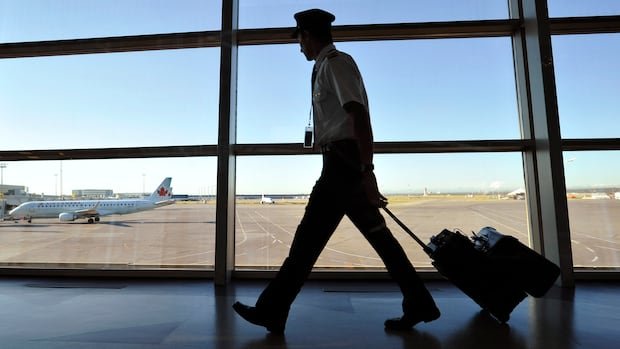

Canadian travelers looking for a labor dispute-free new year may face disappointment as most major airlines in the country are set to negotiate with unions in 2026. While the possibility of a strike or lockout is not certain during airline-union negotiations, the future remains uncertain despite recent industry turmoil settling.
Air Transat narrowly avoided a strike after reaching a tentative agreement with its pilots, preventing flight cancellations. This came after Air Canada and WestJet experienced significant disruptions due to labor disputes with flight attendants and mechanics in recent years.
As negotiations continue, WestJet will engage with flight attendants, Air Canada with ground crew and baggage workers, and Porter Airlines with pilots, dispatchers, and flight attendants. These ongoing talks have the potential to impact airline operations significantly, according to aviation management expert John Gradek from McGill University.
The surge in contract disputes can be attributed to long-term agreements expiring, signed during challenging financial times for airlines like Air Transat and Air Canada. The changing landscape of the industry and economy, coupled with past labor actions in other sectors, has raised expectations among aviation workers and management.
The frosty relationship between airlines and unions may lead to more labor disputes, with ongoing negotiations and potential strikes looming. While the federal government has intervened in past labor disputes, reliance on government intervention could complicate future negotiations and lead to more disruptions in the industry.
Passengers can stay informed about contract expirations and potential risks, consider alternative travel options, and seek travel insurance covering labor disputes to mitigate the impact of possible disruptions. As negotiations progress, the outcome remains uncertain, with unions striving for stability while negotiating collective agreements.