
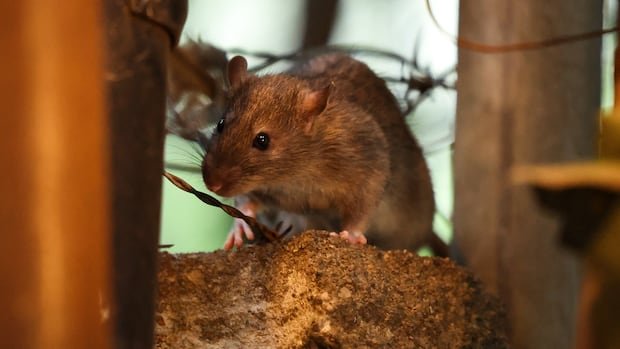

In the Lincoln Park neighborhood of Chicago, researchers are closely monitoring rats with hidden cameras in alleyways to observe their response to bait containing a potential solution for controlling rat populations. Various factors such as climate change, urbanization, and density have contributed to the increase in rat numbers in certain cities, leading to health risks and concerns, prompting research into population control methods. Maureen Murray, overseeing a study in Chicago alleys, suggests that birth control could be a viable strategy for managing urban rat populations.
Unlike rat poisons, which have harmful effects on other wildlife, birth control presents a more environmentally friendly approach to pest control. Climate change has disrupted rat behavior patterns, allowing for increased reproduction rates before the winter season, creating a potential health hazard for disease transmission from rats to humans.
The rise in cases of diseases like leptospirosis in cities like Chicago underscores the urgency for effective rat population management strategies. Murray’s team is experimenting with a non-hormonal rat birth control product, Wisdom Good Bites, to reduce rat fertility without sterilizing them. Monitoring rat activity through cameras in alleys, the study aims to assess the impact of the contraceptive bait on rat populations.
While some cities in North America are exploring rat birth control initiatives, skepticism remains among scientists regarding the efficacy of such products, especially in larger urban settings. Despite ongoing debates, the use of non-hormonal rodent control products, like the one being tested in Chicago, offers a potential alternative to traditional rat control methods.
As research continues in the field of rat contraception, experts emphasize the importance of holistic approaches to urban pest management, including waste management strategies and public health interventions. By learning from rat behavior and implementing sustainable solutions, cities can work towards mitigating the challenges posed by growing rat populations.