
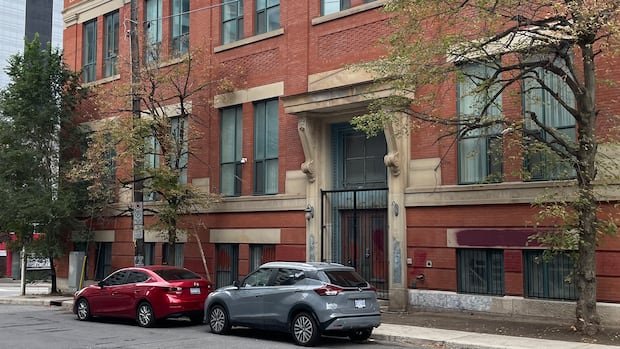

The People’s Republic of China is challenging a proposal to safeguard a historic telephone building in Ottawa, leading the city to postpone the initiative. Situated at 251 Besserer St., the property is a two-story red brick structure in the Beaux-Arts architectural style, dating back to 1912 and previously housing the second Bell telephone exchange in Ottawa.
Despite the City Council’s approval to designate the building under the Ontario Heritage Act in May, the Chinese government, the current property owner, raised objections. The resolution of these concerns has proven to be intricate, prompting the council to retract its intention to designate the property in response to a recommendation from city staff, who require additional time to address the issues with China.
Lesley Collins, the city’s heritage planning program manager, emphasized that the staff’s advice is independent of the property’s cultural significance, which the city upholds. She stated, “Staff still believe the property merits designation, but the Heritage Act imposes strict timelines that cannot be extended.”
Councillor Rawlson King, chair of the built heritage committee, explained that due to unresolved negotiations, the 90-day deadline will expire on Thursday. Various factors, including language barriers and the necessity to engage with Chinese officials abroad and Global Affairs Canada, contribute to the complexity of the situation. King assured that the designation process can be revisited at a later stage, clarifying that the withdrawal is a strategic move, not a relinquishment of heritage protection.
The building currently functions as an office for China’s mission in Canada, although the embassy did not specify its exact purpose. China contends that the property benefits from diplomatic status, necessitating its consent for any alterations to its status. While the city’s heritage department acknowledges the building’s diplomatic status, they do not concur with China’s arguments, noting in a report that over 65 diplomatic buildings possess heritage designations.
Collins acknowledged the potential complications arising from the property’s status under the Vienna Convention on diplomatic relations. Kitchissippi Councillor Jeff Leiper expressed concern over potential double standards for foreign governments, highlighting that the city typically designates properties despite objections from churches and private individuals.
Heritage Ottawa expressed support for safeguarding the building but recognized the challenges associated with designating a diplomatic property. Linda Hoad, the co-chair of the advocacy committee, endorsed the staff’s approach of continuing negotiations to address the concerns raised by the People’s Republic of China.
The Chinese Embassy declined to provide an interview to CBC to clarify its stance.