

Consumers remain concerned about high prices and economic uncertainty stemming from the ongoing U.S. trade conflict, despite some positive signs, as per a recent Bank of Canada survey. The survey participants expressed heightened fears of missing debt payments and job loss, along with expectations of sustained inflation due to tariffs. These anxieties have dampened their willingness to spend, citing high prices, economic instability, and increased housing expenses as impediments. More respondents reported a worsening financial situation compared to the previous quarter.
On a brighter note, respondents were more optimistic about job prospects in the current quarter and had a less pessimistic long-term view on inflation compared to pre-pandemic levels. However, overall consumer expectations decreased in the fourth quarter, remaining significantly lower than pre-pandemic levels and even lower than before the trade conflict with the U.S. began.
While analysts had initially speculated a more severe impact on the Canadian economy from the trade conflict, recent data showed a more stable situation. Job growth slowed, but labor data improved overall, avoiding a technical recession in November. Inflation remained within the Bank of Canada’s target range. Despite these positive indicators, survey respondents viewed the labor market as weak, particularly those in trade-exposed sectors.
About half of the respondents believed that Canada had averted the worst consequences of the trade tensions with the U.S., with others split on whether the worst was yet to come or had already passed. Claire Fan, a senior economist at RBC, acknowledged the macro-level correctness of the sentiment that the worst of the trade war had subsided but highlighted lingering uncertainties regarding Canada’s trade relationship with the U.S.
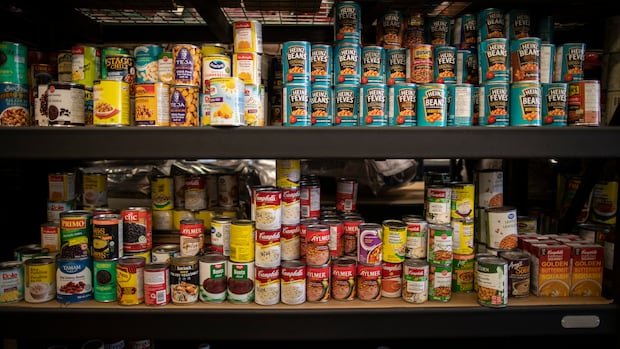
Consumer concerns were most pronounced in rising grocery costs, as highlighted by a shopper in Calgary who mentioned cutting back on spending due to escalating prices. Despite headline inflation stabilizing, food and shelter expenses continued to impact the overall cost of living. Notably, grocery inflation surged to 3.5% on an annual average basis in 2025, compared to 2.2% in 2024, as reported by StatsCan.
Experts noted that consumers are more sensitive to price hikes, especially at the grocery store, where regular expenses are keenly felt. Mike von Massow, a food economist, emphasized that negative consumer sentiment persists due to a stronger reaction to bad news. The gradual shift in trend from price hikes to stability might take time for consumers to perceive positively, especially affecting lower-income households facing financial challenges.
The ongoing challenges in the consumer landscape signal the need for continued monitoring and potential policy responses to alleviate the burden on households facing economic uncertainties.
[Source: CBC News]