
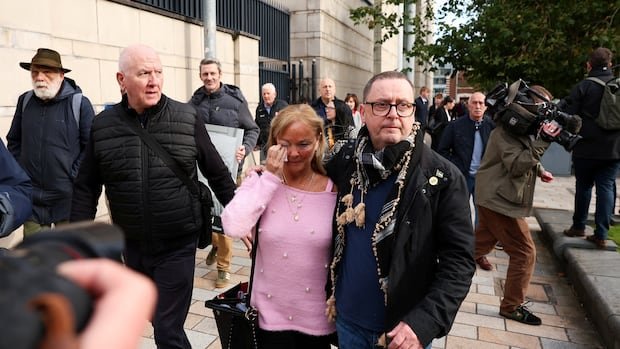

A former British paratrooper, known as Soldier F, was cleared of murder charges in the 1972 Bloody Sunday massacre in Northern Ireland by Judge Patrick Lynch at Belfast Crown Court. The judge ruled that the prosecution failed to provide sufficient evidence that Soldier F had shot unarmed civilians as they fled to safety. The acquittal was disappointing for the victims’ families who have long sought justice in the decades-old case.
Soldier F, a former lance corporal, had been accused of two counts of murder and five counts of attempted murder for his alleged actions during the events in Londonderry on January 20, 1972, which resulted in the deaths of 13 people and injuries to 15 others. The incident, a tragic symbol of The Troubles, marked the conflict between Catholic supporters of a united Ireland and Protestant forces loyal to the United Kingdom.
Despite the Good Friday peace agreement in 1998, tensions persist in Northern Ireland. Families of the deceased continue to demand justice, while army veterans’ supporters claim unfair treatment and downplaying of their losses in investigations.
Soldier F denied the charges of murder and attempted murder, maintaining that he had fulfilled his duties as a soldier that day. The judge criticized the lack of military discipline among the Parachute Regiment soldiers involved and expressed disappointment at the shooting of unarmed civilians in a British city.
The defence argued that the prosecution’s case was flawed, relying on unreliable witness statements and the fading memories of survivors. The judge highlighted the challenges in testing the accuracy of hearsay evidence and noted the delay in the legal process.
Following the verdict, the veterans’ group welcomed the decision, emphasizing the need for a fair and balanced approach to addressing the complexities of the Troubles’ legacy. The government acknowledged the challenging nature of the case and emphasized the importance of providing closure and answers to the victims’ families.
While a formal government inquiry initially cleared the troops involved, a subsequent review in 2010 revealed a different account, leading to the prosecution of Soldier F. Despite the delays, the legal process has now concluded with Soldier F’s acquittal after years of scrutiny and investigation.