
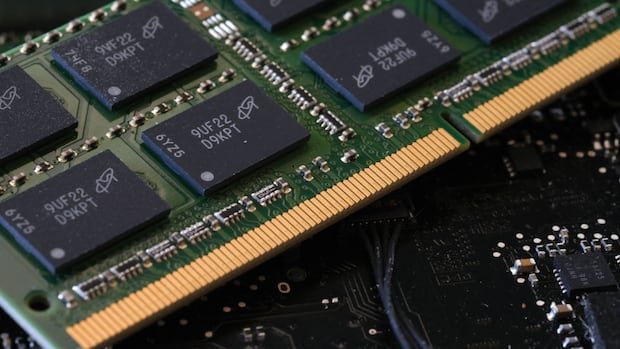

The surge in artificial intelligence investment has caused a global shortage in memory chips, posing a significant challenge for consumer electronics firms worldwide. A scarcity of random access memory (RAM), a crucial component in modern devices, is anticipated to lead to price hikes and delivery delays for laptops, smartphones, gaming consoles, and vehicles.
According to Willy Shih, a management practice professor at Harvard Business School, the rapid expansion of AI data centers is absorbing much of the available memory chip supply. The three companies dominating the RAM market are Samsung and SK Hynix from South Korea, along with Micron Technology from the U.S.
Traditionally focused on manufacturing DRAM and flash memory for consumer electronics, these companies have shifted a substantial portion of their production capacity to high-bandwidth memory used in AI applications. The escalating demand for AI-related memory has caught many off guard, prompting efforts to ramp up production capacity, although such adjustments take time.
Major consumer electronics manufacturers are feeling the pinch of the memory chip shortage, with some indicating that they may face production constraints once their current chip inventories are depleted. Qualcomm’s weak second-quarter forecast was attributed to the memory shortage, while Intel’s CEO cautioned that relief from the scarcity may not materialize for at least two years. Companies like HP and Dell have already begun adjusting their pricing strategies in response to the memory crisis.
Apple’s CEO, Tim Cook, foresees a significant increase in memory pricing in the near future, hinting at potential adjustments to cope with the situation. The impact of the memory shortage extends to various sectors, including the gaming industry, where concerns are rising about potential delays in console releases and price hikes.
As companies navigate the memory chip shortage, some are exploring adaptive strategies to mitigate the impact on their businesses. The memory crisis is expected to persist throughout the year, with industry experts warning of potential future memory-related challenges if demand dynamics shift abruptly.