
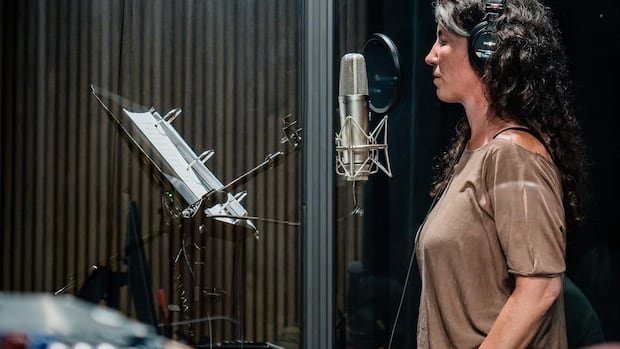

An Indigenous female singer from the Anishinaabe community has unveiled “Granddaughter’s Song,” a fresh symphonic composition inspired by the Seven Grandfather Teachings and presented alongside the Thunder Bay Symphony Orchestra in observance of the National Day for Truth and Reconciliation.
Crafted collaboratively by singer-songwriter Shy-Anne Hovorka and pianist-composer Dr. Micah Pawluk, this 53-minute, multi-part creation intertwines narrative, melody, and orchestral layers. The duo, hailing from northwestern Ontario, delve into the themes of affection, bravery, modesty, insight, esteem, integrity, and verity within the piece. The narrative follows a young Ojibwe girl as she discovers her identity, heritage, and link to nature and spirituality under the guidance of her grandmother, also incorporating animals symbolizing the Seven Grandfather Teachings, which serve as the foundational principles for a harmonious Anishinaabe existence.
Hovorka expressed that the project serves to raise consciousness about the profound significance of these sacred teachings. She further clarified, “It’s also a means to grasp and appreciate, particularly for those unfamiliar with Indigenous cultures or seeking understanding, offering a glimpse into this world.”
Drawing from Hovorka’s personal experiences, the symphony, which unfolds as a continuous piece, chronicles the life journey of numerous Indigenous women in northwestern Ontario from childhood through the transition to high school in Thunder Bay and into adulthood.
Originally conceived as a small-scale recital for Pawluk’s doctoral pursuits in piano performance at the University of Alberta, the project gradually evolved from a voice-and-piano performance to the expansive orchestral rendition it is today.
Despite residing in different provinces during the production phase, Pawluk described the collaborative recording process as seamless. He emphasized that the project’s growth surpassed their initial visions, expressing gratitude for the opportunity to contribute to such a significant endeavor.
The recording involved the participation of Indigenous and Métis musicians from various regions across Canada. Frédéric-Alexandre Michaud, the Thunder Bay Symphony Orchestra’s assistant director, conducted remotely, with studio recordings from Southern Ontario compiled by Justin Sillman and Blueprints Studio producer Jean-Paul De Roover. Elders Marilyn Netemegesic and Victor Chapais provided valuable guidance throughout the project.
Hovorka highlighted the inclusive nature of the project, emphasizing the importance of Indigenous involvement. The piece, “Granddaughter’s Song,” aims for broad accessibility and is freely accessible on major streaming platforms and YouTube, reflecting the creators’ intention to share the work widely for educational and reflective purposes.