
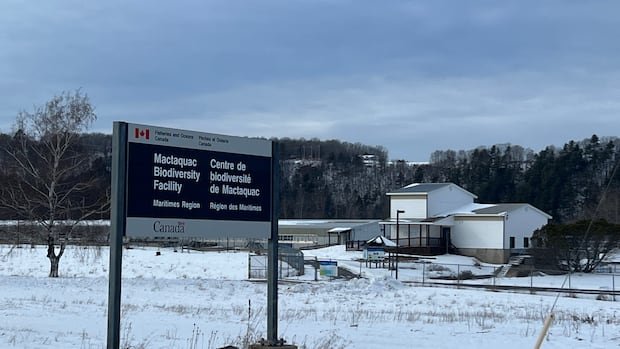

The decision to close the Mactaquac Biodiversity Facility in New Brunswick, which includes a hatchery in French Village, has drawn criticism from the Wolastoqey Nation, Atlantic salmon scientists, and conservationists. The Department of Fisheries and Oceans is shutting down this facility, along with another in Coldbrook, N.S., as part of cost-cutting measures by the government.
The closure also means discontinuation of the Atlantic salmon live gene bank program and related salmon-stocking activities. The Wolastoqey group expressed deep concern over the lack of consultation regarding the shutdown, emphasizing the impact on the Wolastoqiyik communities, Aboriginal and Treaty rights, as well as the river ecosystem and the salmon.
Various programs are conducted at the Mactaquac facility, including collecting wild brood stock, fertilizing eggs, and releasing baby salmon into different locations upstream. The closure of the hatchery could lead to the deaths of salmon, particularly affecting populations in the St. John River. The facility has played a crucial role in supporting salmon recovery programs in the region.
Experts are reviewing the potential consequences of the closure, such as loss of jobs, training opportunities, and setbacks to salmon conservation efforts. The Wolastoqey Nation highlighted an agreement dating back to 1968 between the federal government and N.B. Power, establishing the operation of the Mactaquac Biodiversity Facility to mitigate the ecological impacts of the Mactaquac Dam.
While the reasons behind the closure remain unclear, stakeholders are hopeful that alternative solutions will be explored to ensure the continuity of salmon conservation efforts. The outdated infrastructure at the facility may have contributed to its closure, but there are hopes for potential improvements to boost salmon populations in the region. The impact of the hatchery closure on salmon populations and the environment remains a significant concern for conservationists and experts in the field.