
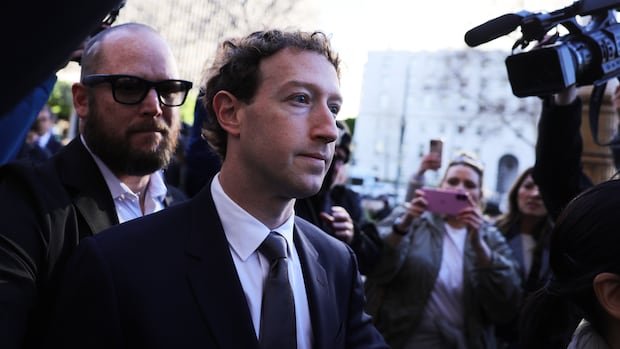

During a recent court appearance on Wednesday, Meta CEO Mark Zuckerberg refuted claims by a lawyer that he provided misleading information to Congress regarding the structure of the company’s social media platforms amid an ongoing trial concerning youth social media addiction.
Zuckerberg faced questions about his previous statements to Congress during a 2024 hearing, where he stated that the company did not instruct its teams to prioritize increasing time spent on its applications.
The lawyer representing a woman who alleges that Meta negatively impacted her mental health in childhood presented emails from 2014 and 2015 to jurors, in which Zuckerberg outlined intentions to boost app usage by double-digit percentages. Zuckerberg clarified that while there were previous objectives related to app usage time, the company has since altered its approach.
Zuckerberg emphasized his disagreement with any insinuation that his testimony was inaccurate, marking his first court testimony on the impact of Instagram on young users’ mental health. The trial’s outcome could potentially hold significant consequences for Meta, including the possibility of financial damages and a potential shift in Big Tech’s legal defense against user harm claims.
The legal action, along with similar cases worldwide, reflects a growing backlash against social media platforms concerning children’s mental well-being. Various countries, such as Australia and Spain, are exploring restrictions on underage social media access, with Florida already implementing regulations prohibiting users under 14, currently under legal challenge by industry trade groups.
The lawsuit at hand involves a California woman who claims that her use of Instagram and YouTube during childhood led to mental health issues, alleging that the companies prioritized profits over user well-being. Meta and Google have denied the allegations, highlighting their efforts to enhance user safety features and citing research that does not conclusively link social media to adverse effects on kids’ mental health.
This case is seen as a pivotal trial amid a series of legal battles involving Meta, Google, Snap, and TikTok, where various stakeholders have filed numerous lawsuits alleging the companies’ role in exacerbating youth mental health challenges.
Investigative reports have revealed internal Meta documents showing the company’s awareness of potential harms associated with their platforms. Testimony from Instagram’s head Adam Mosseri highlighted gaps in Meta’s understanding of certain research findings, while Meta’s legal team argued that the woman’s health issues were rooted in her upbringing rather than social media use serving as a creative outlet.
The ongoing trial underscores the broader debate surrounding social media’s impact on youth mental health and the accountability of tech companies in addressing these concerns.