

A recent study by scientists reveals new insights into the moon’s enigmatic magnetic field, using lunar rocks gathered by Apollo astronauts over fifty years ago. The research, conducted by University of Oxford researchers in England, indicates that the moon’s magnetic field was historically weak but experienced brief periods of strength surpassing Earth’s magnetic activity three to four billion years ago. These findings, published in the journal Nature Geoscience, suggest that short-lived spikes in magnetic field intensity lasting up to 5,000 years were caused by the melting of titanium-rich rocks deep within the moon.
Lead author Claire Nichols explained that the discovery of high titanium levels in the Apollo samples correlated with evidence of elevated magnetic activity. This new insight challenges previous assumptions about the moon’s magnetic field stability and highlights the potential for significant magnetic fluctuations.
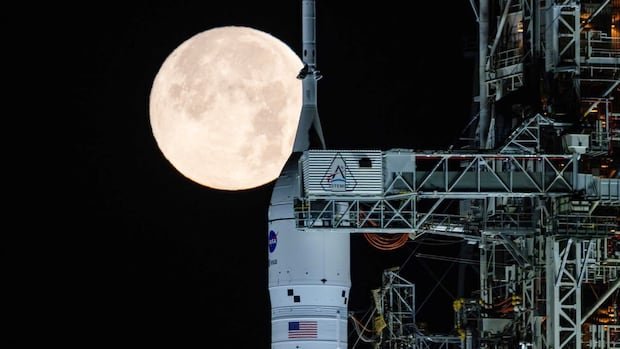
The upcoming Artemis program by NASA aims to further investigate the moon’s magnetic history by sending astronauts, including Canadian Jeremy Hansen, on a mission to study ancient rocks near the moon’s south pole. Unlike the Apollo missions that focused on low-latitude lava plains, the Artemis astronauts will explore regions with potentially different rock compositions, providing a more comprehensive understanding of the moon’s magnetic evolution.
The study underscores the importance of comprehending the moon’s magnetic shield in relation to planetary habitability and the protection against cosmic rays and solar radiation. By analyzing diverse rock samples from various lunar regions, scientists hope to gain a deeper understanding of the moon’s ancient magnetism and its implications for planetary environments.