
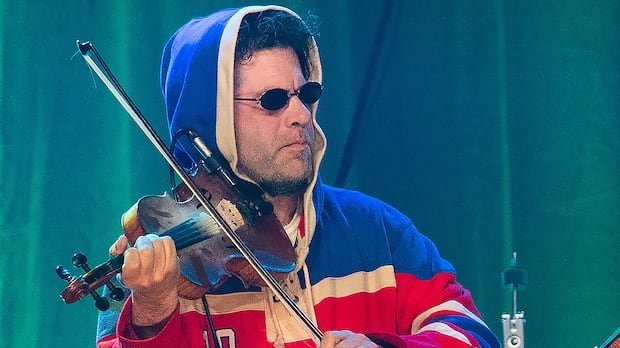

Cape Breton violinist Ashley MacIsaac has raised concerns about potential defamation by Google’s AI-generated summaries, which inaccurately labeled him as a sex offender. The award-winning musician discovered the misinformation last week when a First Nation near Halifax canceled a concert after encountering the false summary.
MacIsaac expressed worries about the implications of such misinformation, especially if it had surfaced during international travel. The summary falsely claimed he had been convicted of sexual assault, internet luring, and other offenses, including being on the national sex offender registry, which MacIsaac vehemently denies.
The 50-year-old musician later found out that the erroneous claims were linked to a person with the same last name in Atlantic Canada. Google Canada acknowledged the issue, stating that they continuously refine their AI overviews for accuracy and take corrective actions when needed.
Following the incident, the Sipekne’katik First Nation publicly apologized to MacIsaac for the cancellation, acknowledging the mistake and expressing regret for the harm caused to his reputation. MacIsaac is now focused on rescheduling the concert but wants to ensure accurate information dissemination before finalizing a new date.
Despite facing financial constraints for a potential lawsuit, MacIsaac has received pro bono offers from law firms across Canada and is exploring legal options to prevent similar incidents in the future. The musician, known for blending Celtic music with a modern twist, has a history of controversy but has not had significant legal issues apart from a minor cannabis possession charge in 2001.
MacIsaac’s experience highlights the importance of accurate online information and the potential consequences of AI-generated misinformation. He remains committed to addressing the issue to safeguard his reputation and prevent others from facing similar challenges.