
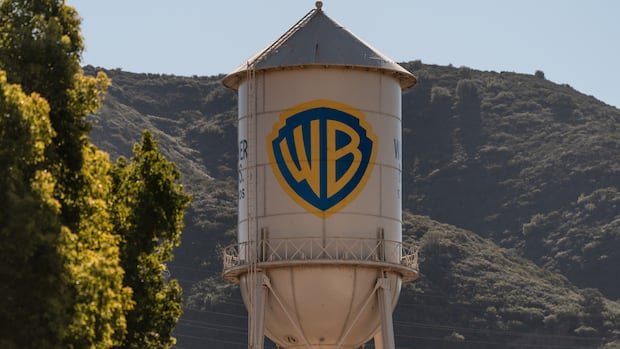

Netflix has decided to withdraw from the bidding process to acquire Warner Bros. Discovery’s assets due to Paramount Skydance’s revised offer, which made the deal less financially appealing. The announcement on Thursday marked the conclusion of a significant consolidation effort in the entertainment industry.
The move comes after concerns voiced by director James Cameron earlier this month to the U.S. Senate antitrust subcommittee, warning against Netflix’s potential acquisition of the Hollywood studio. Cameron described the deal as potentially “disastrous” for the theatrical movie experience.
Netflix had granted Warner Bros. a seven-day waiver to consider a better offer from Paramount for the company. However, Netflix ultimately chose not to raise its bid, stating that the transaction was desirable at the right price but not essential at any cost.
Netflix had aimed to acquire Warner Bros.’s streaming and movie studio assets, including HBO, HBO Max, Warner Bros. Film and TV Studios, and DC Studios. In contrast, Paramount’s bid, which was initially rejected late last year, sought to acquire all assets, including studios, streaming services, and cable networks like CNN.
Both proposals would have reshaped the media landscape, with concerns raised about competition. Netflix’s proposal would have integrated Warner Bros.’s television and film divisions into its library and production arm, consolidating a significant portion of TV and film content. On the other hand, Paramount’s bid had the support of Oracle co-founder Larry Ellison, raising concerns about media consolidation.
The impact of these bids on moviegoers and streaming services remains uncertain. While Netflix committed to releasing Warner Bros. films in theaters and at home, Paramount promised to maintain traditional release windows for its films.
The potential merger could affect Canadian streaming customers who subscribe to Netflix and Paramount’s streaming service, Paramount+, and access HBO content through Crave. The consolidation could lead to more content in one platform and challenge Netflix’s dominance in the streaming space.
The deal’s implications on jobs and media consolidation have sparked interest from industry unions, with concerns about potential job losses and consolidation. Democratic Sen. Elizabeth Warren and California Attorney General Rob Bonta have expressed concerns about the impact of the consolidation on consumers, competition, and market affordability.
Any final deal would require approval from regulatory bodies such as the Federal Communications Commission and could face scrutiny from state antitrust regulators.