


When might the United States take military action in Venezuela? When could Venezuela transfer oil to the U.S.? Is Colombia the next target for invasion?
This week, a flurry of predictions has emerged on platforms called prediction markets following the recent U.S. military intervention in Venezuela, which resulted in the removal of President Nicolás Maduro.
The substantial amounts of money being exchanged have brought attention back to prediction markets, which have rapidly grown from small startups to major players in recent times, allowing users to wager on a wide range of events.
So, how do prediction markets function, and what are the regulations surrounding them? Here is what you need to understand.
How do these markets operate?
Typically, bets on prediction markets are binary, involving wagers on a yes/no or higher/lower outcome.
For example, on platforms like Polymarket, users can place bets on various events, such as Oscar nominations for movies, the future of the Iranian regime, or the highest temperature in Toronto on a specific day.
According to Tarek Mansour, CEO of Kalshi, the ultimate goal is to turn differing opinions into tradable assets, as he mentioned during a conference in late 2025.
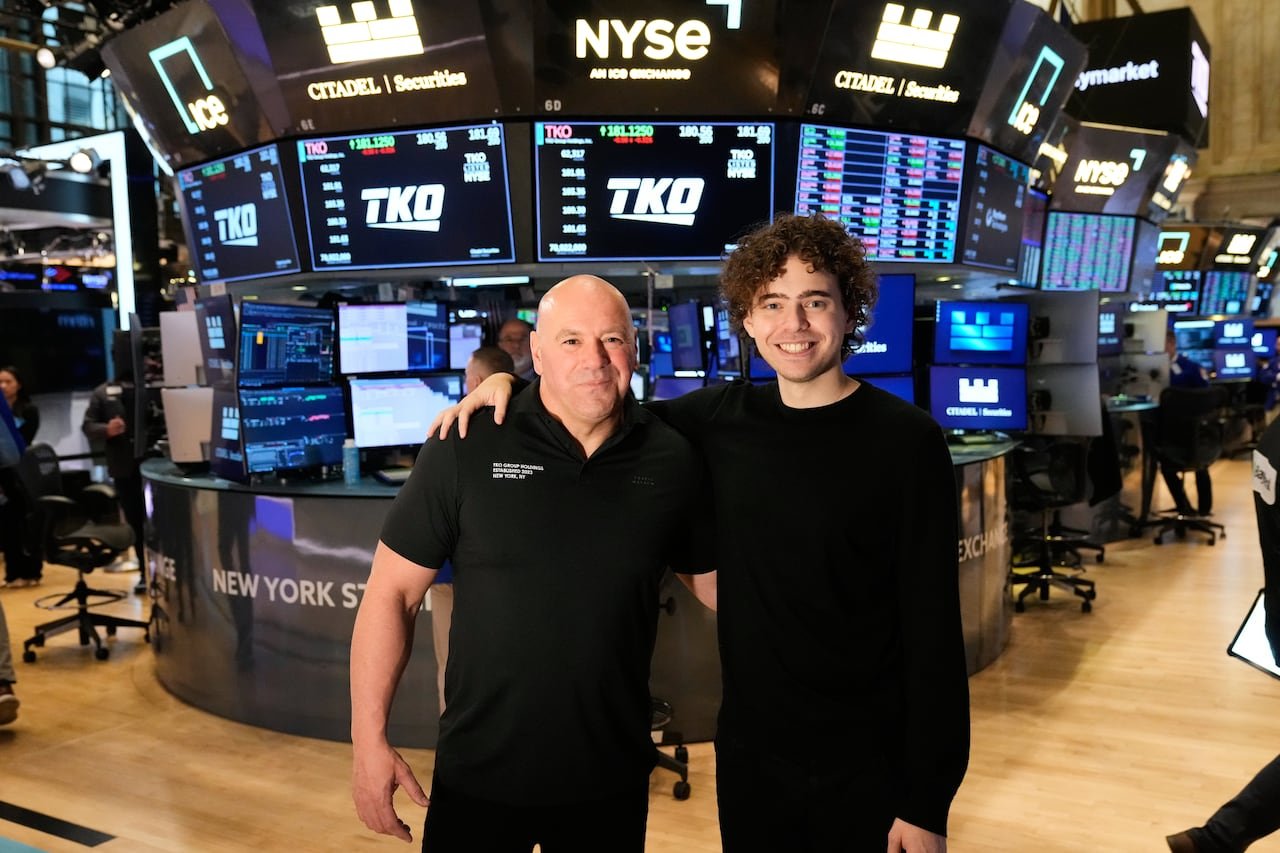
Among the various platforms available, Polymarket and Kalshi stand out as major players. The volume of bets placed on the top five prediction markets has seen a significant surge, growing from $100 million US in early 2024 to over $13 billion US, as per a report by Keyrock and Dune.
Is it gambling, a financial product, or news?
Unlike sports betting platforms, prediction markets do not have a “house.” According to gaming analyst Dustin Gouker, who covers prediction markets, in sports betting, the house is the entity you bet against, whereas in prediction markets, you wager against another person or a market maker.
Regarding revenue generation, Kalshi spokesperson Elisabeth Diana mentioned that prediction markets earn through small transaction fees.

However, Gouker emphasizes that in essence, it all comes down to people betting against one another, making the distinction less relevant.
Furthermore, prediction markets argue that they hold news value since bets reflect public sentiment based on available information, a phenomenon known as the “wisdom of crowds,” as per Gouker.
Major news outlets like CNN, CNBC, and Dow Jones have inked deals with Kalshi and Polymarket to incorporate prediction market data into their content.
Regarding regulation, these platforms are categorized as financial products and fall under the oversight of the Commodity Futures Trading Commission (CFTC) in the United States.
Concerns over insider information
A recent successful bet related to Venezuela has sparked concerns about potential insider trading. An anonymous bettor staked over $30,000 US on Maduro’s ousting by the end of January just before the military action, and the bet paid out over $400,000 US.
<