

Authorities are in pursuit of the culprits behind the theft of precious gems from the Louvre over the weekend, with concerns raised that the stolen items might never resurface.
Four individuals orchestrated the heist on Sunday morning by driving a truck to the renowned Paris museum, deploying a ladder to access the second floor and forcing entry. Reports indicate that the thieves were well-versed in their actions and targeted specific artifacts representing French royal heritage. In just approximately seven minutes, the perpetrators absconded with invaluable pieces from the country’s historical monarchy.
Here are the key details known thus far.
Stolen Items
The theft is particularly significant as it encompassed French crown jewels, emblematic of the nation’s sovereignty and historical narrative.
The stolen artifacts were housed in the Apollon Gallery on the Louvre’s second level, a grand, ornamented space adorned with intricate paintings and gold fixtures.

Since 1887, the gallery has safeguarded the remnants of the French crown jewels post their significant dispersal. The remaining treasures became the focal point of the recent heist, with the robbers directly targeting these specific showcases, according to officials.
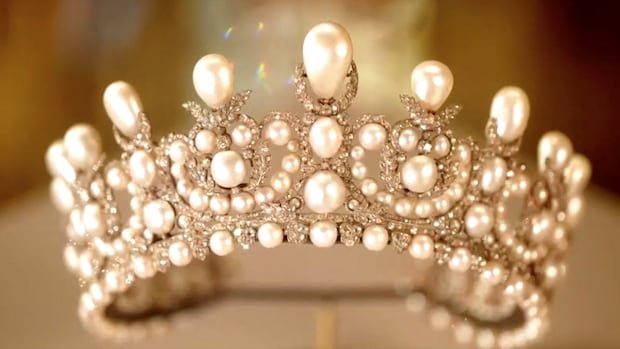
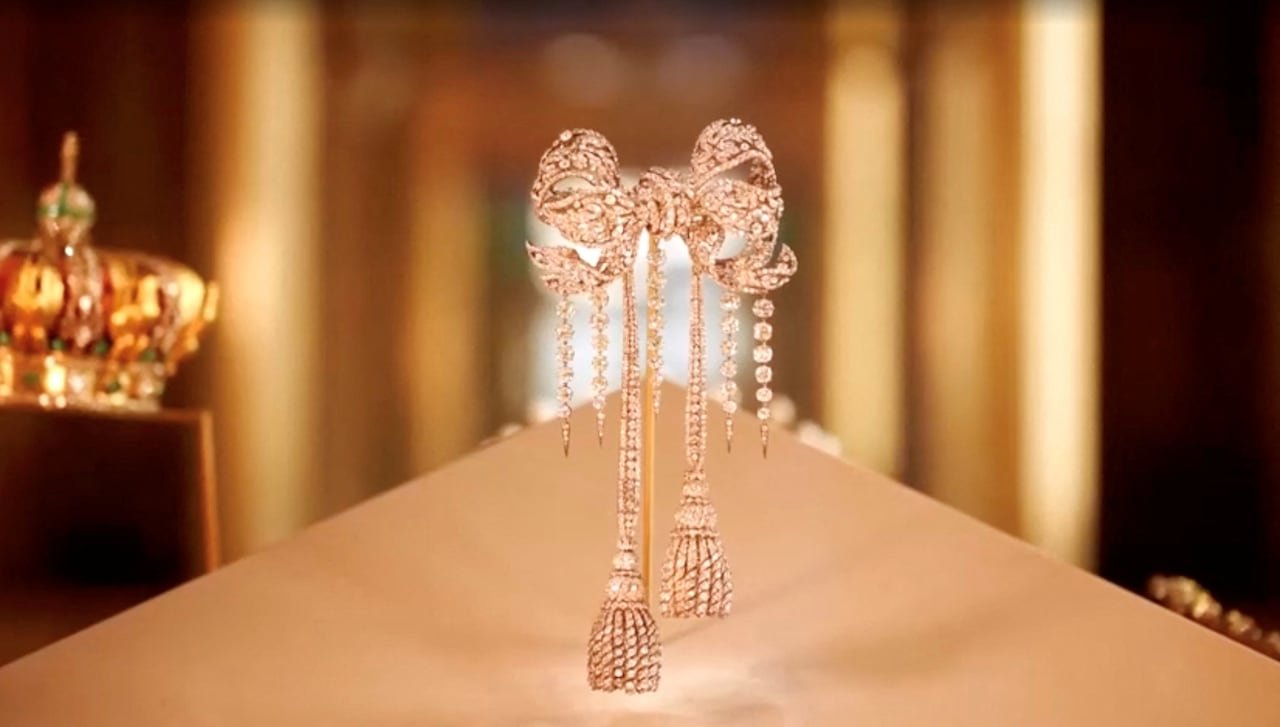
A total of eight items were stolen, including two diadems — one embellished with sapphires, resembling a crown — a necklace and earrings linked to 19th-century French queens, an emerald set that belonged to Napoleon Bonaparte’s second spouse, and two brooches, one belonging to Empress Eugénie, the wife of Napoleon III.
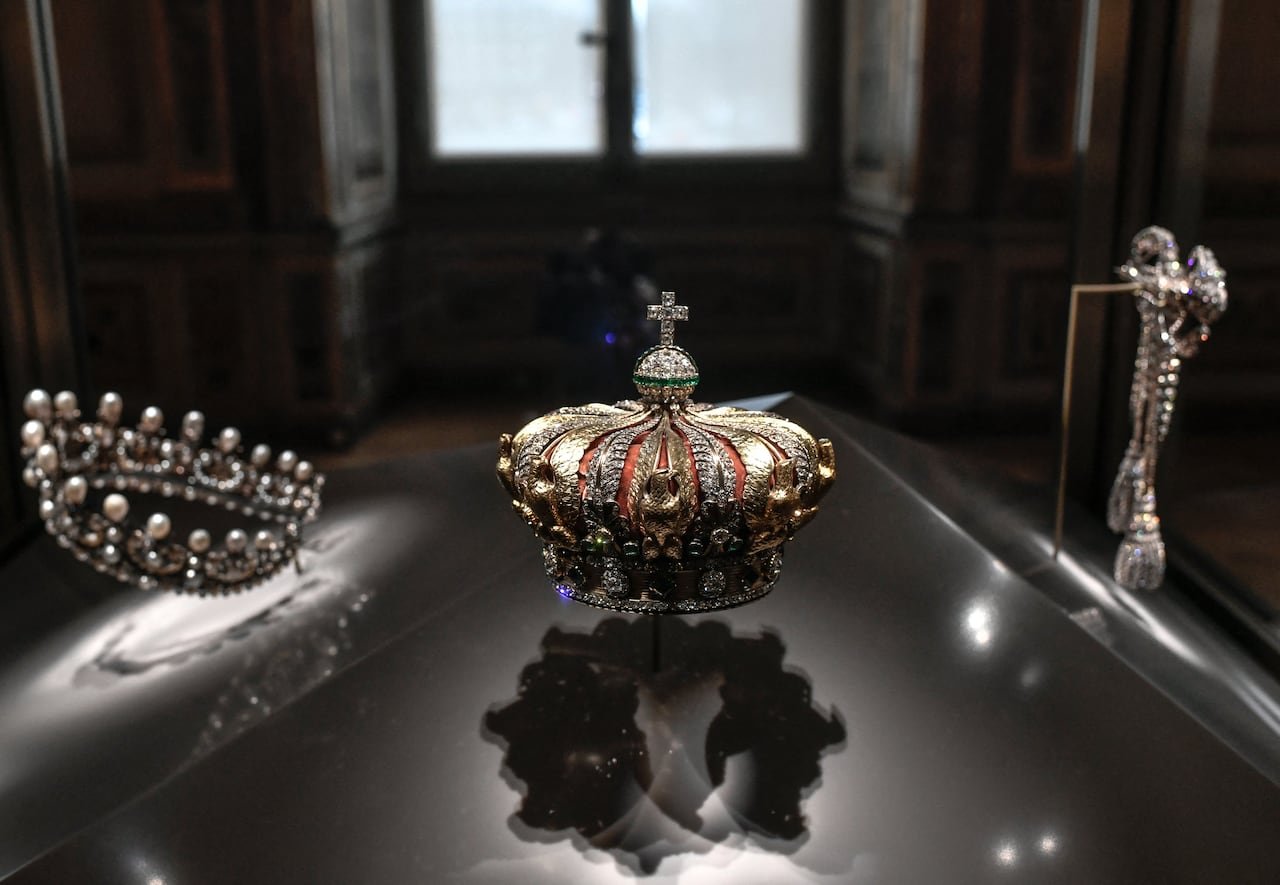
Another piece from Empress Eugénie’s collection was also taken but was later discarded and found damaged outside the museum. This item was her emerald-set imperial crown, featuring over 1,300 diamonds.
Monetary Value
Since the incident came to light, the stolen pieces have been labeled as “priceless” due to their historical significance, rendering them irreplaceable regardless of their monetary worth.
Given the distinctiveness of these items, it is improbable that they could be sold intact to potential buyers. The likelier scenario involves the items being dismantled, with precious metals melted down to erase their origins and valuable gemstones recut to obscure their provenance.
As of now, there are no concrete estimates on the potential proceeds the thieves could attain from selling the stolen goods.