

The escalation of U.S. military presence near Venezuela and recent attacks on suspected drug-trafficking vessels off its coast have sparked concerns about potential intervention or a coup against the country. President Trump has openly expressed his desire to see Venezuelan President Nicolás Maduro removed from power, labeling him a drug lord and accusing Venezuela of exporting drugs to the U.S.
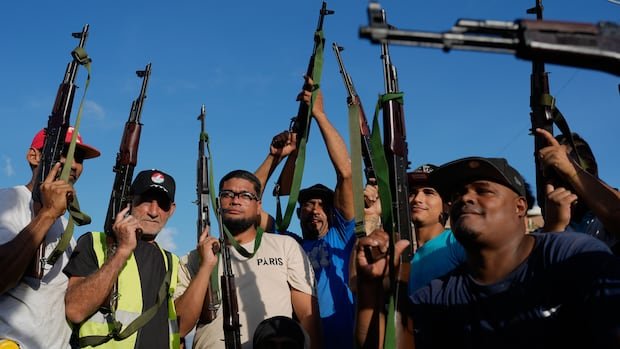
While speculations about a military intervention persist, experts suggest that the likelihood of a full-scale invasion remains low due to anticipated resistance. Despite previous U.S. interventions in Latin America, including Central America and the Caribbean, no country south of Panama has been invaded by U.S. forces. Venezuela’s size and armed capabilities also present significant challenges to any potential military action.
Recent military actions by the U.S. in destroying drug-carrying boats have raised legal and ethical concerns. President Trump has authorized CIA covert operations within Venezuela and offered a substantial reward for Maduro’s arrest on drug charges. The U.S. has bolstered its military presence in the region, including warships, fighter jets, and personnel.
The prospect of regime change in Venezuela faces obstacles, as Maduro has maintained military support and thwarted dissent within the ranks. While some advocate for intervention, others emphasize diplomatic solutions. The complex dynamics within the Trump administration may influence the approach towards Venezuela, with differing views on the best course of action.
Considering the potential risks and complexities involved, the U.S. administration’s strategy towards Venezuela remains uncertain, with varying perspectives on the most effective approach to address the situation.