
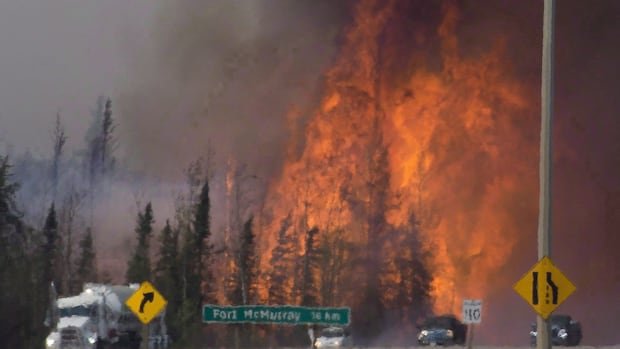

In recent years, places like Jasper, Lytton, Los Angeles, and Fort McMurray have experienced devastating wildfires, resulting in loss of lives and destruction of communities and economies. These destructive wildfires, which are increasingly common worldwide, are attributed to climate change, according to new research findings.
The study, published in the journal Science, utilized data typically available only to insurance and financial institutions, including information from Munich Re, a re-insurance company. The analysis revealed a significant rise in the frequency of destructive fires since 2015, with fires causing 10 or more fatalities becoming three times more common over the study period.
A total of 43 wildfire disasters exceeding $1 billion US in costs were recorded since 1980, with half occurring in the last decade. This trend is primarily driven by warmer and drier climates as well as the growing population and assets in fire-prone areas.
The study highlights the urgent need to address the escalating fire risks associated with climate change, which is exacerbated by human activities, particularly the burning of fossil fuels. It underscores the necessity for communities to adapt and manage the increasing threat of wildfires.
Canada, along with the western U.S., faces escalating fire risks, indicating the need for national strategies to mitigate the economic impacts of climate-related disasters. Investments in wildfire preparedness, such as vegetation management, fire-resilient building practices, and firefighter resources, are crucial to enhancing community resilience.
Access to high-risk area data is essential for effective resource allocation, but challenges remain in making this information accessible to the public. Efforts are underway to improve the availability of climate risk data for individuals and local governments to facilitate informed decision-making and encourage proactive measures against climate-related risks.
As individuals become more informed about the financial implications of climate risks, they are likely to take necessary actions to safeguard their properties and communities. REWRITE_BLOCKED: